



You chose dental implants because they offer a strong and lasting way to replace missing teeth. Most implants succeed, with studies showing about a 95% implant success rate, but problems can still happen.
When an implant fails, it can cause pain, swelling, or a loose crown, making chewing difficult.
Dental implants fail most often due to infection, poor bone support, smoking, health conditions, or problems during planning and healing.
Infection around the implant, called peri-implantitis, can damage bone and loosen the post. Other risks include gum disease, teeth grinding, and medical issues that affect bone healing.
When you understand causes of dental implant failure, you can take clear steps to protect your investment. Good oral hygiene, honest health history, and regular dental visits all play a key role in long-term implant success.
Key Takeaways
- Dental implants can fail due to infection, bone loss, or health and lifestyle factors.
- Early signs like pain, swelling, or movement need quick dental care.
- Careful planning, good hygiene, and follow-up visits improve long-term success.
Table of Content
- Recognizing Implant Problems Early
- Key Causes of Failure Throughout the Implant Timeline
- Underlying Risk Factors and Contributing Conditions
- Prevention Strategies for Long-Term Success
- Treatment and Next Steps After Implant Failure
- Frequently Asked Questions
Recognizing Implant Problems Early
You can often stop implant failure from getting worse if you catch the signs early. Pay close attention to changes in comfort, gum health, and how your implant feels when you chew.
Common Warning Signs

Dental implant failure often starts with small changes that are easy to ignore. You may notice pain or discomfort that lasts longer than expected after healing.
Mild soreness right after surgery is normal. Pain that continues beyond the first week or suddenly returns months later is not.
Watch for these warning signs:
- Red or swollen gums around the implant
- Bleeding when you brush
- Gum recession that exposes part of the implant
- Bad breath that does not improve
- Pus or discharge near the implant
Swelling that lasts more than a few days may point to infection. Infection around implants can lead to bone loss and implant failure if you delay treatment.
Keep your follow-up appointments. Your dentist checks for early bone changes and gum inflammation that you may not feel yet.
Symptoms of Implant Mobility
A healthy implant should feel firm and stable. It should not move when you touch it with your tongue or press on it gently.
Implant mobility is a serious warning sign. Even slight movement can mean the implant did not bond well with your jawbone or that bone loss has started.
You might notice:
- A feeling that the tooth shifts when you bite
- A clicking sensation
- A gap forming between the implant and gum
Early implant mobility can happen if the bone never fused properly. Late mobility may develop from infection or too much pressure on the implant.
Do not test the implant by wiggling it often. Call your dentist if it feels loose. Quick action may prevent full dental implant failure.
Implant Stability and Chewing Difficulties
You should be able to chew normally with a stable implant. If you feel difficulty chewing, something may be wrong.
Pain when biting down can mean the implant is under stress. It may also signal bone loss or poor alignment.
Pay attention if:
- Your bite feels uneven
- You avoid chewing on one side
- You feel sharp pain with pressure
Teeth grinding can also strain the implant and weaken stability over time. Your dentist may suggest a night guard if you grind your teeth.
Regular exams help confirm that the implant remains secure. Looseness, chewing problems, and gum inflammation often appear before complete failure.
When you act early, you give your implant the best chance to stay strong and functional.

Key Causes of Failure Throughout the Implant Timeline
Dental implants can fail at different stages, from the first weeks after surgery to many years later. Problems often involve poor bone bonding, infection, gum disease, or errors during placement that reduce stability over time.
Early Implant Failure and Poor Osseointegration
Early implant failure usually happens within the first few months after surgery. During this time, your implant must bond with your jawbone through a process called osseointegration.
If you develop poor osseointegration, the bone does not attach firmly to the implant. This leads to decreased implant stability. You may feel movement or discomfort before the crown is even placed.
Common causes of early implant failure include:
- Surgical trauma
- Overheating of the bone during drilling
- Movement of the implant during healing
- Smoking or uncontrolled diabetes
Smoking reduces blood flow, which slows healing. Health conditions that affect your immune system can also interfere with bone repair.
You lower your risk by following post‑surgery instructions closely. Avoid chewing on the implant side and keep the area clean while it heals.
Late Implant Failure and Gum Disease
Late implant failure happens after your implant has already healed and supported a crown. This can occur months or even years later.
The most common cause is gum disease around the implant. Bacteria build up along the gum line when you have poor oral hygiene, which can inflame the tissue and damage supporting bone.
As bone breaks down, you may notice:
- Gum recession
- Bleeding when brushing
- A loose feeling when chewing
This breakdown reduces implant stability over time. If untreated, bone loss can become severe enough that the implant no longer stays anchored. Bone loss and infection play a major role in implants that fail years after placement.
Regular cleanings and daily brushing and flossing protect the tissue that holds your implant in place.
Role of Peri-implantitis and Infection
Peri-implantitis is one of the leading causes of implant failure. It is an infection that affects the gum and bone around your implant.
This condition often begins as mild inflammation. If you do not treat it, it progresses to bone loss and decreased implant stability.
Signs of peri-implantitis include:
- Red or swollen gums
- Bleeding around the implant
- Pus or bad taste
- Implant mobility
Infection can occur early or develop years later. People with a history of gum disease face higher risk.
You prevent infection by brushing twice a day, flossing daily, and attending routine checkups. Early treatment can stop bone loss and protect your implant.
Improper Placement and Surgical Complications
The skill of your implant provider matters. Improper placement is a serious cause of implant failure.
If your oral surgeon places the implant at the wrong angle or depth, your bite may place too much force on it. This extra pressure can lead to bone loss or mechanical problems.
Surgical complications may include:
- Inadequate bone evaluation
- Poor positioning in thin bone
- Lack of primary stability at placement
In some cases, insufficient bone density requires grafting before surgery. Skipping this step can weaken long‑term support.
Choosing an experienced oral surgeon and completing proper planning steps greatly reduces these risks.
Underlying Risk Factors and Contributing Conditions
Several physical and lifestyle factors can weaken an implant before or after placement. Bone quality, bite pressure, and your overall health all affect how well the implant bonds with your jaw.
Insufficient Bone Support
Dental implants rely on strong bone integration to stay stable. If you have insufficient bone support or insufficient bone density, the implant may not fuse properly with your jaw.
Bone loss often happens after you lose a tooth. Gum disease can also destroy bone over time. When the jaw shrinks, it cannot anchor the implant securely.
Your dentist may suggest a bone graft to rebuild the area. During bone grafting, new material supports bone growth so the implant has a firm base. Healing can take several months, but it improves long‑term stability.
Without enough bone, the implant may loosen or fail early. Proper imaging and planning reduce this risk.
Bruxism and Teeth Grinding
Bruxism, or teeth grinding, places heavy force on your implants. You may grind at night without knowing it.
Implants do not have the same shock absorption as natural teeth. Excess pressure can strain the implant and the surrounding bone. Over time, this stress may interfere with bone integration.
Teeth grinding can also cause small movements at the implant site. Even tiny shifts can prevent proper healing during the early phase.
If you grind your teeth, your dentist may recommend a night guard. This simple device spreads pressure more evenly and protects both implants and natural teeth.
Health and Lifestyle Considerations
Your daily habits and medical history play a direct role in implant success. Certain medical conditions, such as diabetes or heart disease, can slow healing and increase infection risk. Poorly controlled health problems make recovery harder.
Smoking is one of the strongest risk factors. Studies on early dental implant failure link smoking to higher early failure rates. Tobacco reduces blood flow, which delays healing and weakens bone attachment.
You also raise your risk if you neglect oral hygiene. Plaque buildup can lead to peri‑implantitis, an infection that damages bone around the implant.
Before treatment, share your full medical history. Manage chronic conditions, stop smoking if possible, and follow aftercare instructions closely. These steps give your implant the best chance to last.
Prevention Strategies for Long-Term Success
You can prevent dental implant failure with steady daily care and regular professional support. Simple habits, early action, and close follow‑up with your implant provider protect your bone and gums for years.
Maintaining Excellent Oral Hygiene
You must keep the area around your implant clean every day. Plaque builds up around the gumline and can lead to inflammation that weakens bone support.
Brush at least twice a day with a soft toothbrush. Angle the bristles toward the gumline and clean around the crown and abutment.
Floss once a day. Many people benefit from:
- Implant-specific floss or tape
- Interdental brushes
- A water flosser for hard-to-reach areas
An antimicrobial mouthwash can lower bacteria levels, especially if your dentist recommends it. Do not rely on mouthwash alone.
Poor oral hygiene is a major risk factor in dental implant failure caused by infection. Daily cleaning is the most direct way to prevent dental implant failure and protect the bone that holds your implant in place.
Protecting Against Infection and Peri-implantitis
Infection around an implant can start as mild gum redness and bleeding. It can progress into bone loss if you ignore it.
Peri-implantitis is a serious condition that affects both gum tissue and bone. It often develops when plaque stays on the implant surface for long periods.
To lower your risk:
- Stop smoking if you smoke
- Keep diabetes under control
- Follow all post-surgery instructions from your oral surgeon
- Use prescribed rinses exactly as directed
Persistent swelling, bleeding, or bad taste in your mouth needs quick attention. Many cases of peri-implant disease and implant complications improve when treated early.
Fast treatment helps prevent implant failure and may stop the need for surgery later.
Monitoring and Managing Bite Forces
Too much pressure on an implant can cause small movements during healing. These movements may stop the bone from bonding properly.
Teeth grinding, also called bruxism, places strong force on implants. Over time, this pressure can loosen parts or damage surrounding bone.
Your implant provider may recommend:
- A custom night guard if you grind your teeth
- Bite adjustments to improve alignment
- Careful planning before placing crowns
If your bite feels uneven or you notice clicking or discomfort, tell your dentist. Managing pressure early is key to preventing implant failure and protecting the connection between bone and implant.
Importance of Dental Checkups
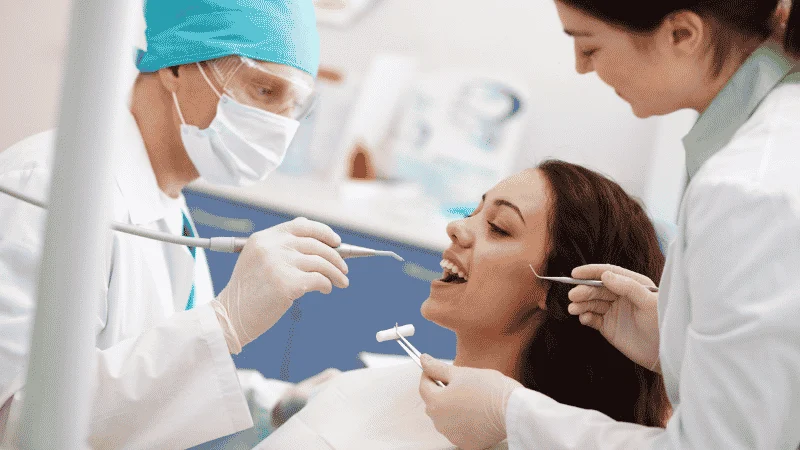
Regular dental checkups allow your provider to spot small problems before they grow. You should visit your dentist at least twice a year, or more often if advised.
During these visits, your dental team will:
- Check gum health around the implant
- Measure pocket depths
- Take X-rays when needed
- Tighten or adjust components if loose
An experienced oral surgeon or implant provider can detect early bone loss that you cannot see or feel.
Routine dental checkups play a central role in preventing implant failure. Professional cleanings remove hardened plaque that brushing at home cannot reach.
Consistent follow-up keeps your implant stable and your mouth healthy.
Treatment and Next Steps After Implant Failure
When a dental implant fails, you need a clear plan. Your dentist will find the cause, protect your bone and gums, and decide if and when to replace the implant.
Assessing the Root Cause
Your dentist starts by checking implant stability, gum health, and bone levels. They look for signs of gum infection, swelling, bleeding, pus, or movement of the implant.
X-rays or a 3D scan help measure bone loss around the implant.
Early failure often links to poor bone bonding or infection soon after surgery. Late failure often connects to peri-implantitis, excess bite pressure, or long-term bone loss.
Your dentist may also review your medical history. Smoking, uncontrolled diabetes, and teeth grinding can weaken healing and reduce implant stability.
Finding the exact cause helps prevent the same problem from happening again.
Removal and Healing After Failure
If the implant feels loose or shows severe bone loss, your dentist will remove it. This step stops the spread of infection and protects nearby teeth and bone.
Removal is usually done under local anesthesia. After removal, the area must heal before you place a new implant. Healing can take a few weeks to several months, depending on how much bone remains.
If you lost significant bone, you may need a bone graft. Bone grafting rebuilds the jaw so it can support a future implant. Your dentist may use your own bone or a safe donor material to restore volume and strength.
During healing, keep the area clean and follow all care instructions. Good oral hygiene lowers the risk of another gum infection and supports healthy bone recovery.
Considerations for Replacement

You can often replace a failed implant once the area heals. Your dentist will confirm that your bone is strong enough and that any infection has cleared.
Before placing a new implant, your dentist may adjust the treatment plan. They might change the implant size, improve bite alignment, or recommend a night guard if you grind your teeth.
These steps improve long-term implant stability.
If bone loss was severe, staged bone grafting may come first. In some cases, your dentist may suggest a bridge or denture instead of another implant.
Frequently Asked Questions
Dental implants fail for clear reasons like infection, poor healing, smoking, and heavy bite pressure. You can often spot early signs, lower your risk, and know what steps to take if something goes wrong.
What are the early warning signs that a dental implant might be failing?
You may notice pain that does not improve after the first week. A healthy implant should feel stable, not sore or loose.
Watch for swollen or bleeding gums around the implant. Pus, a bad taste, or gum recession that exposes metal can point to infection. A loose or wobbly feeling is a serious warning sign.
What is the #1 risk factor that increases the chance of an implant not integrating properly?
Smoking is one of the biggest risk factors for poor integration. It reduces blood flow and slows healing in your gums and bone.
For an implant to succeed, your bone must grow tightly around it. Poor bone quality and smoking both raise the risk of failure, especially in the first few months.
How much does smoking raise the risk of implant failure, and does quitting help?
Smoking clearly increases the risk of implant failure compared to non-smokers. It delays healing and raises the chance of infection around the implant.
Quitting before surgery and during healing improves blood flow and lowers your risk. Dentists often advise you to stop smoking several weeks before and after placement to support better bone healing.
Can a dental implant fail years later, and what can trigger problems after 10 years?
Yes, an implant can fail years after placement. This is called late implant failure.
Late problems often come from bone loss, long-term infection, or heavy bite forces. Gum disease around the implant, known as peri-implantitis, can slowly damage the bone.
Which part of the mouth is most likely to have implant complications or failure?
The back of your upper jaw has a higher risk of complications. This area often has softer bone and less bone height.
Lower bone density can make it harder for the implant to anchor firmly. Your dentist may suggest bone grafting in these cases to improve support.
If an implant fails, who is typically responsible and what are common refund or warranty options?
Responsibility depends on the cause. If failure links to surgical technique or poor placement, the dental provider may offer partial or full retreatment at reduced cost.
Many clinics provide limited warranties that cover the implant fixture for a set number of years. Coverage often requires that you attend follow-up visits and keep good oral hygiene.
If failure relates to smoking, medical conditions, or missed checkups, you may need to cover replacement costs yourself. Always review your treatment agreement so you know what your clinic includes.