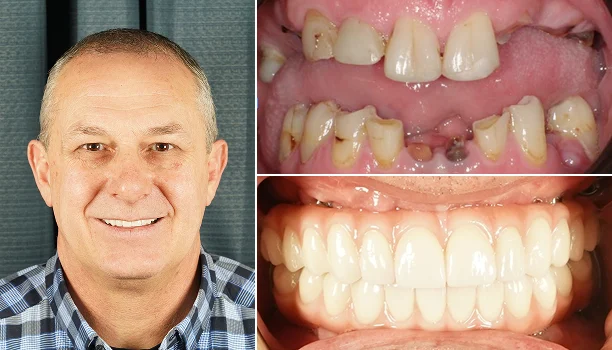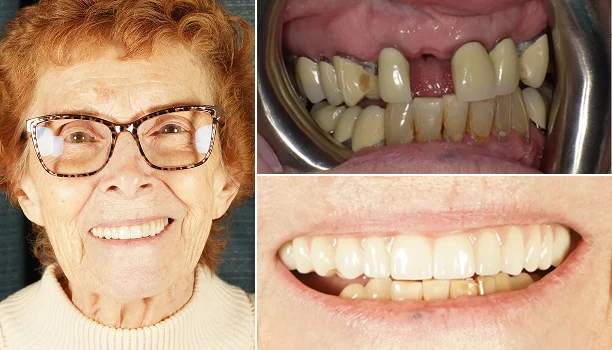
Do Any of These Sound Familiar?
If this sounds familiar, there's a path forward. Bone grafting in Easton, PA opens the door to treatment you may have thought was out of reach.
What Happens When You Wait?
Bone Continues to Shrink
The jawbone deteriorates further without stimulation, making future grafting more complex.
Implants Become Harder to Place
Reduced bone volume limits where implants can go and how stable they'll be.
More Grafting Required Later
Waiting often means needing a larger, more involved graft procedure down the road.
Facial Structure Changes
Ongoing bone loss can cause visible changes to your jaw and the contour of your face.
Fewer Treatment Options
Some solutions require a minimum amount of bone; waiting can eliminate certain approaches entirely.
Costs Increase Over Time
More complex grafting and staging means more visits and greater overall investment.
Acting sooner means a simpler procedure, a shorter timeline, and a faster path to the smile you want.
What Is Bone Grafting and How Does It Work?
Bone grafting is a surgical procedure that rebuilds or strengthens the jawbone where density or volume has been lost. When a tooth is removed, the surrounding bone begins to break down over time because it no longer has a root to support. A bone graft introduces new bone material into that area, encouraging your body to grow healthy bone tissue in its place. The result is a stable, solid foundation that can support a dental implant or protect the structure of your face.
At College Hill Dental Group, we approach bone grafting in Easton with advanced 3D imaging that lets us evaluate your bone precisely before treatment begins. We also incorporate Platelet Rich Fibrin (PRF), a concentration of growth factors drawn from your own blood, into many graft procedures. PRF is applied directly to the graft site to accelerate healing, reduce inflammation, and improve the quality of new bone formation. It’s a technique that goes beyond a standard graft and reflects a higher level of training and attention to outcome.
Transformations That Last
Steve's 30+ Years as a Patient
Is It Too Late for Dental Implants?
Be our Next Success Story!
Request an appointment with one of our doctors and start your smile journey today.
Benefits of Bone Grafting
See What's Possible for Your Smile
Be our Next Success Story!
Request an appointment with one of our doctors and start your smile journey today.
Is Bone Grafting Right for You?
Not Sure If You Qualify?
What to Expect During Bone Grafting
Evaluation and 3D Imaging
Before anything else, we take a detailed 3D scan of your jawbone using our Planmeca ConeBeam CT system. This gives us an exact picture of your bone density, volume, and structure. You'll see what we see on-screen, and we'll walk you through exactly what the graft needs to accomplish and how we'll get there.
Treatment Planning and Material
Selection Based on your imaging and goals, we select the graft material best suited to your anatomy. The four options include bone from your own body (autograft), donor bone (allograft), animal-derived bone (xenograft), or a synthetic material (alloplast). Each has specific advantages, and we'll explain which fits your case and why.
Graft Placement
On the day of your procedure, the area is thoroughly numbed and sedation is available if you'd prefer a deeper level of relaxation. A small incision is made in the gum tissue, the graft material is placed, and the area is closed and protected. In many cases, we also apply Platelet Rich Fibrin (PRF), prepared from a small sample of your own blood taken the same day. PRF releases growth factors directly at the graft site to support faster healing and better bone integration. Most patients feel minimal discomfort during the procedure itself.
Healing and Bone Integration
Over the following 3 to 6 months, your body gradually incorporates the graft material into your existing jawbone. This is where the real work happens. You'll have regular check-ins with our team to monitor progress and confirm healing is on track before the next phase of treatment begins.
Clearance for Your Next Step
Once imaging confirms that the graft has fully integrated, you're ready to move forward, typically with implant placement. That appointment is one of the best in dentistry because it means everything we built toward is now possible.
Ready to Rebuild What Bone Loss Took Away?
What to Expect After Your Bone Graft
First 24 to 48 Hours
Some mild swelling, tenderness, and slight bleeding around the graft site is completely normal in the first couple of days. We recommend sticking to soft foods, keeping your head slightly elevated when resting, and following any specific instructions we send home with you. Over-the-counter pain relief is typically all that's needed, and most patients feel noticeably more comfortable by the second day.
First One to Two Weeks
Swelling and sensitivity continue to decrease through the first week. You'll want to avoid putting direct pressure on the area while eating and steer clear of anything hard, crunchy, or sticky. Most patients return to work and normal routines within a few days. A follow-up appointment lets us confirm the site is healing well and give you the green light to ease back into your regular diet.
Long-Term Healing
The bone integration process continues quietly over the following months. This phase doesn't require much from you other than maintaining good oral hygiene and keeping your scheduled check-ins. When imaging shows full integration, you'll be cleared for the next phase of your treatment plan.
Questions About Recovery? We're here to help.
Flexible Payment Plans for Your Smile
NO Credit Score Impact Until Plan Selected.
Don't Wait to Smile. Check out Our Payment Options.
Bone Grafting FAQs
Is bone grafting painful?
How long does bone grafting take?
What types of bone graft materials are available?
Do I absolutely need a bone graft before getting implants?
Is bone grafting safe?
How do I know if I've lost enough bone to need a graft?
Can gum disease cause the kind of bone loss that requires grafting?
What happens if I don't get a bone graft when I need one?
Will I need time off work after a bone graft?
Does insurance cover bone grafting?
Still Have Questions?