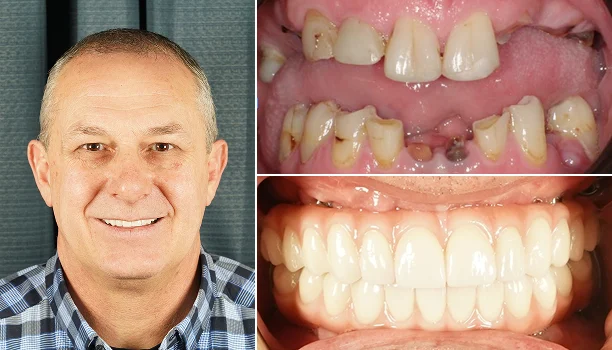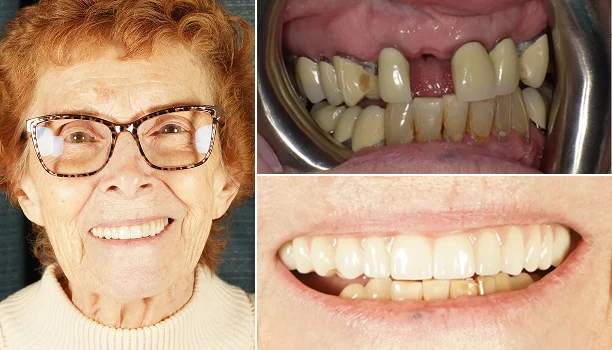
Are Any of These Holding You Back?
You don't have to keep managing around a tooth that's working against you. Relief is closer than you think.
What Happens If You Wait?
Infection Spreads
Bacteria from an untreated tooth can reach surrounding bone and tissue quickly.
Neighboring Teeth Suffer
Adjacent teeth absorb stress from a failing tooth, leading to new damage over time.
Bone Loss Begins
The longer a compromised tooth remains, the more the supporting jawbone deteriorates beneath it.
Treatment Gets Harder
What's straightforward today can require additional procedures months from now.
Costs Go Up
Waiting typically means more work and more expense down the road.
Pain Compounds
Discomfort that starts as manageable can escalate into a full dental emergency.
The sooner you address it, the simpler and more affordable treatment tends to be.
What Does a Tooth Extraction Involve?
A tooth extraction is the removal of a tooth from its socket in the jawbone. There are two types: a simple extraction, performed on a tooth that’s visible above the gumline, and a surgical extraction, used when a tooth is broken, impacted, or hasn’t fully come through the gum. Both are routine procedures performed with local anesthesia and, when appropriate, sedation to keep you comfortable throughout.
At College Hill Dental Group, tooth extractions in Easton are handled with the same level of care and precision we bring to every service. We practice atraumatic extraction technique, an approach specifically designed to remove a tooth as gently as possible while protecting the surrounding bone and soft tissue. Less disruption during removal means less discomfort afterward, a smoother healing process, and better conditions for any future implant or restoration. We also use digital imaging to fully assess the tooth, surrounding bone, and nerve pathways before treatment begins, giving us a clear picture that guides every step.
Transformations That Last
Lifelong Patient Testimonial
Nerves Be Gone, A Sedation Dentistry Testimonial
Be our Next Success Story!
Request an appointment with one of our doctors and start your smile journey today.
Get Your FREE Tooth Extraction Pricing Guide + $500 Savings
In the guide, you’ll learn about:
- Step-By-Step Overview
- Common Procedures
- Common Questions
Benefits of Tooth Extraction
See What's Possible for Your Smile
Be our Next Success Story!
Request an appointment with one of our doctors and start your smile journey today.
Is Tooth Extraction Right for You?
Not Sure If Extraction Is the Right Call?
What to Expect During Your Tooth Extraction
Consultation and Imaging
Before anything else, we take the time to understand your full picture. Digital X-rays and, when needed, 3D cone beam imaging give us precise detail about the tooth, surrounding bone, and root structure. You'll see exactly what we see on screen, and we'll walk you through what we find. There's no guesswork and no pressure, just a clear explanation of what we recommend and why.
Comfort Setup and Anesthesia
Once you're ready to proceed, we make sure you're thoroughly comfortable before we begin. Local anesthesia numbs the area completely. For patients with anxiety, a strong gag reflex, or more complex extractions, we offer nitrous oxide, oral sedation, or IV sedation to keep you relaxed throughout. You choose the level of comfort that feels right for you.
The Extraction
With you fully comfortable, the extraction itself is straightforward. We use atraumatic extraction technique throughout, meaning the tooth is removed with deliberate, controlled movements designed to protect the surrounding bone and tissue rather than disturb it. For simple extractions, specialized instruments gently loosen and lift the tooth from its socket. Surgical extractions, including impacted wisdom teeth, involve a small incision to access and remove the tooth cleanly. Most patients feel pressure but not pain, and many tell us the experience was far easier than they expected.
Aftercare and Next Steps
Once the tooth is out, we place gauze to help the site begin healing and go over exactly what to expect in the coming days. We'll also discuss your options for replacing the tooth if applicable, whether that's a dental implant, bridge, or another solution. You leave with clear written instructions and direct access to our team if any questions come up.
Ready to Put the Pain Behind You?
What to Expect After Your Tooth Extraction
First 24-48 Hours
Some mild soreness and swelling around the extraction site is normal and expected. You'll want to rest, stick to soft foods, and avoid anything that could disturb the clot forming in the socket. Most patients manage comfortably with over-the-counter pain relief, and many feel well enough to return to their regular routine the following day.
First Week
Swelling typically peaks around day two and gradually subsides through the rest of the week. The extraction site continues to close and heal, and most patients notice significant improvement within three to five days. You can ease back into your normal diet as comfort allows, avoiding hard or crunchy foods until you feel ready.
Questions About Recovery? You're in good hands.
Flexible Payment Plans for Your Smile
NO Credit Score Impact Until Plan Selected.
Don't Wait to Smile. Check out Our Payment Options.
Tooth Extraction FAQs
Will the extraction be painful?
How long does the procedure actually take?
Do I have to replace the tooth after it's removed?
What are my sedation options for the extraction?
How soon can I eat after an extraction?
What is dry socket, and how do I avoid it?
Will I need stitches?
Can I drive myself home after the extraction?
How do I know if I actually need an extraction, or if the tooth can be saved?
What happens to the extraction site over time if I don't replace the tooth?
Still Have Questions?