


When a root canal fails, you face a tough choice. Do you try to save your natural tooth with retreatment, or do you remove it and move on? The right option depends on the health of your tooth, your comfort, and your long-term goals.
In most cases, saving your natural tooth with root canal retreatment is the better option, but extraction may be the right choice if the tooth is too damaged or keeps getting infected.
Retreatment lets you keep your natural bite and avoid a gap. Extraction can stop ongoing infection and may lead to options like implants or bridges.
You deserve clear facts before you decide. When you understand how each root canal retreatment vs extraction affects healing time, cost, and long-term oral health, you can choose with confidence.
Key Takeaways
- Saving your natural tooth is often preferred when the structure is still strong.
- Extraction may be needed if damage or infection cannot be fixed.
- Your long-term comfort, cost, and tooth replacement plans should guide your choice.
Key Differences Between Root Canal Retreatment and Extraction
You face two very different paths when a root canal fails. One option tries to save your natural tooth, while the other removes it and plans for replacement.
Overview of Each Procedure
A root canal retreatment removes the old filling from a previous root canal procedure. Your dentist or endodontist reopens the tooth, cleans the canals again, and removes any remaining bacteria or debris.
They then disinfect and seal the canals to prevent another infection.
This approach focuses on fixing problems left behind after earlier endodontic treatment.
According to the American Association of Endodontists explanation of root canal vs extraction, root canal therapy removes infected pulp but keeps the outer tooth structure in place.
A tooth extraction removes the entire tooth from its socket. After removal, you may need a dental implant, bridge, or denture to restore chewing and appearance.
Extraction ends the infection but creates a gap that must be managed.
Initial Goals and Outcomes
Root canal retreatment aims to eliminate infection inside the canals and protect your oral health without removing the tooth.
Your provider targets the diseased pulp or bacteria that caused pain or swelling. The goal is to restore normal function and avoid further damage.
Studies suggest that up to 15% of root canal treatments may fail and need more care. Retreatment gives you another chance to correct hidden canals, cracks, or missed infection.
Extraction has a different goal. It removes a severely damaged or infected tooth when saving it is no longer realistic.
In cases where infection continues despite retreatment or the tooth is badly broken, providers may recommend extraction.
Preservation of Natural Tooth
Root canal retreatment focuses on saving your natural tooth structure. Keeping your own tooth helps maintain normal biting force and alignment. Your jawbone also stays more stable when the tooth root remains in place.
Many dental professionals stress that saving your natural tooth often supports better long-term dental care.
With extraction, you lose the entire tooth. You must replace it to prevent bone loss and changes in your bite. Replacement options add time, cost, and additional procedures.
Complication Risks and Recovery
Root canal retreatment usually involves mild soreness for a few days. You can often return to normal activity quickly. Healing focuses on the inside of the tooth rather than the socket.
However, retreatment can be complex. Scar tissue, narrow canals, or hidden fractures may affect success. In some cases, your dentist may suggest surgery if retreatment does not solve the problem.
Extraction may seem simple, but recovery can take longer. The socket must heal, and you may have swelling or discomfort.
If you choose extraction, you also face added recovery from implant placement or bridge work. Your choice affects not just pain relief, but your long-term oral health and daily comfort.
When Is Root Canal Retreatment Recommended?
You may need root canal retreatment if your treated tooth does not heal or becomes infected again. Dentists look at your symptoms, the condition of the tooth, and how likely retreatment can protect your long‑term oral health.
Eligibility and Success Factors
You qualify for root canal retreatment when your tooth still has enough healthy structure to support a filling or crown. If the roots remain strong and the surrounding bone can heal, retreatment often makes sense.
An endodontist checks for cracks, severe bone loss, or deep decay below the gumline. If the tooth cannot support a restoration, extraction may be the better choice.
Success also depends on why the first endodontic therapy failed. In many cases, missed canals, delayed crown placement, or new decay allow bacteria to return.
According to the American Association of Endodontists’ explanation of endodontic retreatment, retreatment can give your tooth a second chance to heal when problems develop months or even years later.
Early treatment improves the odds. When you act quickly, you limit damage to bone and reduce the spread of infection.
Common Indications and Warning Signs
Pain is one of the most common warning signs. If you feel pressure, throbbing, or tenderness in a previously treated tooth, you may have a new or ongoing infection.
Other signs include:
- Swelling in the gums
- A small bump near the tooth
- Sensitivity when biting
- Darkening of the tooth
- Drainage or bad taste in your mouth
These symptoms often point to an infected pulp space or bacteria left behind in the root canal system. Sometimes, new decay breaks the seal around your crown and allows bacteria to reach the inner tooth again.
A dentist may also find problems on an X‑ray before you notice pain.
Persistent infection around the root tip, known as post‑treatment disease, often links to bacteria inside or around the root canal system, as discussed in research on endodontic orthograde retreatments.
In these cases, retreatment targets the source of infection to protect your oral health.
Role of Endodontist and Specialized Techniques

Your general dentist may refer you to an endodontist, a specialist trained in complex root canal retreatment. Endodontists use advanced imaging and magnification to find hidden canals or tiny cracks.
During retreatment, the endodontist reopens the tooth and removes old filling material.
They clean and disinfect the canals again, then seal them to prevent bacteria from returning. If needed, they remove posts or buildup material to reach the full canal system.
Modern tools improve precision. Operating microscopes, digital imaging, and specialized instruments help remove infected tissue and bacteria more completely.
An endodontist may recommend retreatment when the first root canal was incomplete, new decay formed, or a new infection developed.
Their goal is clear: eliminate infection, preserve your natural tooth, and support long‑term oral health.
When Is Extraction the Better Option?
You may need a tooth extraction when the tooth cannot heal or stay stable in your mouth. Severe damage, repeated infection, or advanced gum disease can make saving the tooth unsafe for your long‑term oral health.
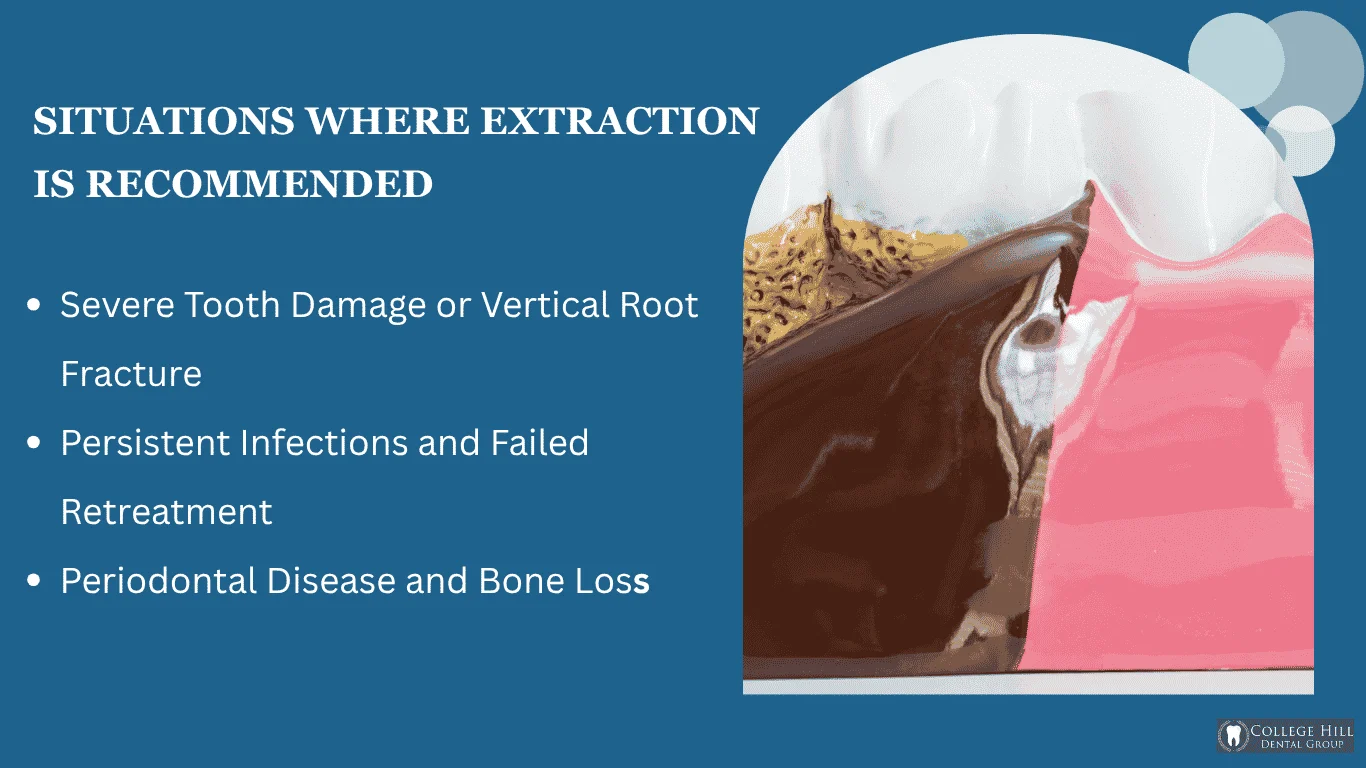
Severe Tooth Damage or Vertical Root Fracture
A tooth with major structural damage often cannot support root canal retreatment. Deep cracks that run below the gumline weaken the root and raise the risk of sudden breakage.
A vertical root fracture is one of the clearest signs that extraction is the better choice. This type of crack splits the root from top to bottom. It allows bacteria to enter the bone and causes ongoing pain or swelling.
Dentists usually confirm a vertical root fracture with imaging and symptoms such as a narrow gum pocket near one root. In these cases, repair is not predictable. Removing the tooth stops the spread of infection and protects nearby bone.
If you leave a fractured, infected tooth in place, it can lead to bone loss and repeated abscesses. Extraction removes the source of the problem and lets you plan for a stable replacement.
Persistent Infections and Failed Retreatment
Most root canals work well, but some fail. Studies suggest that up to 15% of treatments may not succeed, which can lead to retreatment or extraction.
If you already had root canal retreatment and the tooth still becomes infected, the chances of saving it drop.
Ongoing swelling, drainage, or pain when you bite often means bacteria remain deep in the root or surrounding bone.
Repeated procedures can weaken the tooth and reduce the amount of healthy structure left. At some point, removing the infected tooth may give you a more predictable outcome.
Extraction also lowers the risk that infection will spread to nearby teeth or tissues. After healing, you can discuss options like implants or bridges to restore function.
Periodontal Disease and Bone Loss
Advanced periodontal disease affects more than the tooth’s nerve. It damages the gums and supporting bone around the roots.
When gum disease causes severe bone resorption, the tooth may feel loose even if the root canal space is clean. In this case, retreatment does not fix the real problem, which is loss of support.
Signs that extraction may be needed include:
- Deep gum pockets that do not improve
- Ongoing bleeding and swelling
- Noticeable tooth mobility
- Significant bone loss on X‑rays
Removing the tooth can stop infection and allow the area to heal. Your dentist may recommend bone grafting to limit further bone loss and protect your long‑term oral health.
Tooth Replacement Options After Extraction
When you remove a tooth, you need a clear plan to restore your bite and protect your jawbone. The right tooth replacement option can limit bone resorption, keep nearby teeth stable, and help you chew with comfort.
Dental Implants and Bone Grafting
A dental implant replaces both the root and the crown of your missing tooth. Your dentist places a small titanium post into your jawbone, then attaches a custom crown after healing.
Dental implants help slow bone resorption because the implant post stimulates your jawbone when you chew. Without that stimulation, bone loss can begin within months of an extraction.
Many dentists explain that replacing a missing tooth helps maintain alignment and prevent bone loss, as noted in this article on tooth replacement after extraction.
If you have already lost bone, you may need bone grafting before implant placement. Bone grafting adds volume and strength to thin areas of your jaw.
Healing can take several months, but it improves the long-term stability of your dental implant.
Implants last many years with proper care. They do require oral surgery and healing time, which you can read more about in this comparison of retreated teeth and implants.
Dental Bridges vs Partial Dentures
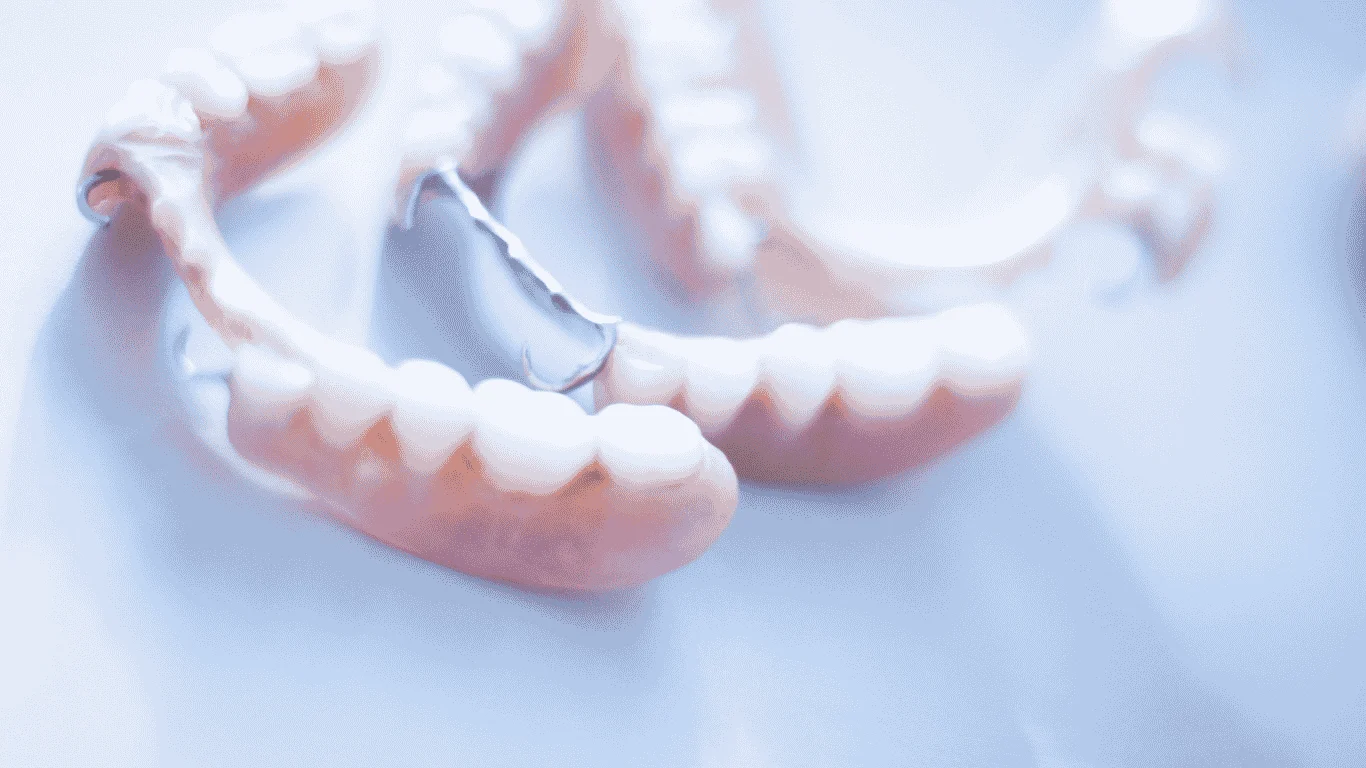
A dental bridge fills the gap by attaching a false tooth to the teeth on either side. Your dentist reshapes those supporting teeth and places crowns to hold the bridge in place.
Bridges stay fixed in your mouth and feel stable when you chew. However, they do not replace the tooth root, so they do not stop bone resorption under the missing tooth.
A partial denture is a removable option. It clips onto nearby teeth and replaces one or more missing teeth.
Partial dentures cost less upfront and avoid surgery. Still, they can shift during eating and may feel bulky at first.
Both bridges and partial dentures restore appearance and function, but neither protects your jawbone like dental implants.
Sinus Lift and Other Advanced Procedures
If you lost an upper back tooth, your sinus may sit close to the jawbone. Over time, bone resorption can reduce the height needed for a dental implant.
A sinus lift adds bone below the sinus to create enough space for implant placement. Your surgeon gently raises the sinus membrane and places bone graft material in the area.
You may also need ridge augmentation if your jaw has shrunk in width. These advanced procedures increase treatment time, but they allow you to choose dental implants even after significant bone loss.
Your dentist will review imaging, measure your bone levels, and explain which tooth replacement options fit your health, budget, and long-term goals.
Cost, Recovery, and Long-Term Oral Health Impact
Your decision affects how much you pay now, how long you heal, and how your mouth functions years from today. You need to weigh short-term savings against long-term oral health and comfort.
Comparing Initial and Long-Term Costs
You often pay more upfront for a repeat root canal than for a simple extraction. A root canal procedure involves cleaning, shaping, sealing the canal, and placing a final crown in many cases. That adds to the bill.
Extraction usually costs less at the first visit. A study on the cost-effectiveness of root canal treatment compared with tooth extraction found lower short-term costs for extraction over one year.
But the picture changes if you replace the missing tooth.
If you choose a dental implant, bridge, or partial denture, your total cost can rise well above the price of retreatment. Implants also require surgery and healing time before the final crown.
You should ask your dentist for a full treatment plan that lists:
- Procedure fees
- Crown or implant costs
- Follow-up visits
- Possible future repairs
This helps you compare root canal vs extraction in real numbers, not guesses.
Recovery Time and Comfort
Root canal recovery is often smoother than people expect. After retreatment, you may feel mild soreness for a few days. Most people return to normal activity the next day.
Extraction can feel simple at first, but healing takes longer. Your gums must close, and bone fills in the empty space. This can take weeks.
You also face a small risk of dry socket, a painful condition where the blood clot comes out too soon. Dry socket delays healing and may require extra dental care visits.
If you plan to get a dental implant, you add more healing time. The implant must bond with your jawbone before your dentist places the final tooth.
When you compare comfort and time off work, retreatment often causes less disruption to your daily routine.
Impact on Bone Health and Adjacent Teeth
Keeping your natural tooth helps maintain jawbone strength. When you remove a tooth, the bone that supported it no longer gets pressure from chewing.
This can lead to bone resorption, which means the bone slowly shrinks. Over time, this may change how your bite fits and how your face looks.
Missing teeth also affect nearby teeth. Adjacent teeth may shift or tilt into the open space. This can trap food and raise your risk of decay or gum disease.
A dental implant can reduce bone loss because it stimulates the bone like a natural root. However, it does not fully replace the natural tooth structure.
When you think about long-term oral health, saving your own tooth through retreatment often protects both your bone and your surrounding teeth.
Making the Best Choice for Your Smile
You want a solution that protects your oral health, fits your budget, and lasts. The right choice depends on the condition of your tooth, the skill of your endodontist, and how well you can maintain future dental care.
Personal and Clinical Considerations
Your decision starts with the condition of the tooth. If your dentist can still restore the structure, a repeat root canal may let you keep your natural tooth.
Saving your tooth helps maintain bite balance and jawbone support. Many dentists explain that preserving the natural tooth is often preferred when possible.
You also need to consider:
- Extent of decay or fracture
- Presence of repeated infection
- Gum and bone support
- Cost and insurance coverage
- Time needed for treatment and healing
If the tooth has severe damage below the gum line, tooth extraction may be the safer option. After removal, you will likely need an implant or bridge to restore function.
Your long-term dental care plan matters. A restored natural tooth often feels and functions more like your other teeth than a replacement.
Role of Advanced Technology and Expertise
Modern tools improve the success of root canal retreatment. An endodontist uses magnification, digital imaging, and precise instruments to find hidden canals or leftover infection.
These tools help clean and seal the tooth more effectively. When a root canal fails, retreatment can address missed bacteria or breakdown of the original fillin.
An experienced endodontist also knows when retreatment will not succeed. If the tooth cannot support a crown or has deep cracks, extraction may prevent ongoing pain and repeated procedures.
Choosing a clinic with advanced training in endodontics increases your chances of a stable, long-term result.
Importance of Professional Dental Advice
You should not make this choice alone. A full exam, including X-rays and bite testing, shows how much healthy tooth structure remains.
Your dentist or endodontist will review:
- The current infection level
- The strength of the remaining tooth
- Risks of future problems
- Replacement options if extraction is needed
If you remove the tooth, you must plan for replacement. Leaving a gap can lead to shifting teeth and bone loss.
Clear advice helps you weigh short-term relief against long-term oral health. When you understand both options, you can move forward with confidence and protect your smile for years.
Frequently Asked Questions
You may wonder when to save your tooth and when to remove it. The choice often depends on tooth strength, bone support, cost, pain level, and how long each option can last.
When is a second root canal treatment recommended instead of removing the tooth?
Your dentist may suggest retreatment if infection returns but the tooth still has enough healthy structure to support a crown. This can happen if bacteria remain in a canal or if a crown leaks over time.
You may also qualify if the roots are intact and there is no vertical root fracture. In many cases, saving your natural tooth helps you keep normal chewing and jawbone support.
What are the main pros and cons of saving a tooth versus having it extracted?
When you save your tooth, you keep your natural bite and avoid surgery to remove it. Root canal treatment has a high success rate, often around 95 percent.
Extraction removes the infection quickly, but you lose the tooth. After removal, your jawbone can shrink over time, and you may need an implant, bridge, or denture to fill the space.
Saving the tooth often costs less in the long run than removing it and replacing it with an implant.
Which usually hurts more: a root canal retreatment or a tooth extraction?
Both procedures use local anesthesia, so you should not feel pain during treatment. You may feel pressure, but not sharp pain.
After treatment, retreatment often causes mild soreness for a few days. Extraction may cause more swelling, and a small number of people develop dry socket, which can be painful.
How do dentists decide whether a back molar can be saved or needs to be pulled?
Your dentist checks if the molar has enough solid tooth left above the gum line. If the tooth is too broken down, it may not hold a crown.
They also look for root fractures, severe bone loss, or deep gum pockets. X-rays or 3D scans help them see hidden damage.
If the roots are strong and the tooth can support a crown, saving it is often possible.
What’s the typical cost difference between retreatment and extraction with a replacement option?
Root canal retreatment plus a new crown may cost less upfront than extraction with an implant. Costs vary by location and tooth type.
A simple extraction may cost a few hundred dollars. However, adding an implant, abutment, and crown can raise the total into the thousands.
How long does a retreated tooth usually last compared with an extraction and implant or bridge?
A properly restored root canal tooth can last many years, often 10 years or longer with good care. Success depends on a strong final crown and healthy gums.
Single-tooth implants also show high survival rates over 10 years in many studies. Bridges can last many years too, but they require shaping nearby teeth.
You should weigh how long each option may last along with cost, comfort, and how much natural tooth you can keep.