


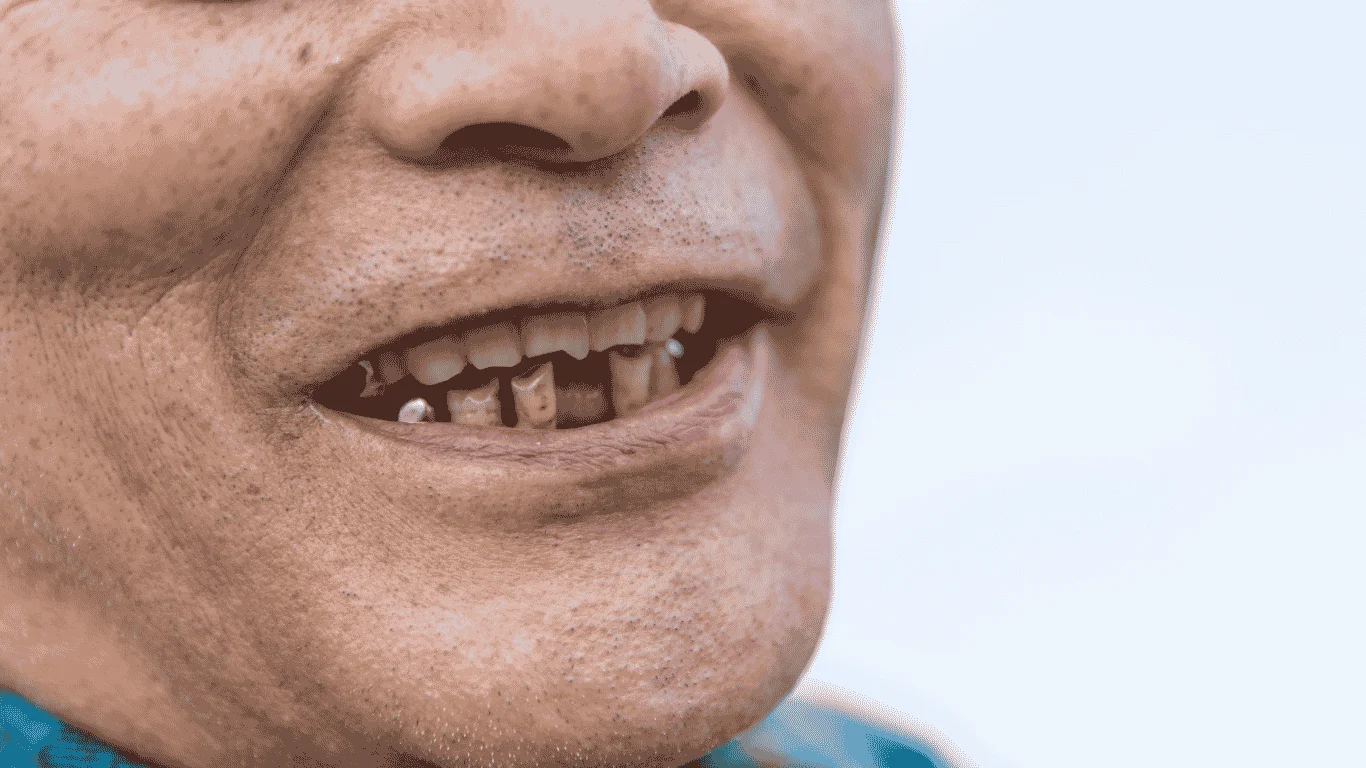
Losing multiple teeth affects more than just your smile. It changes how you eat, speak, and feel about yourself in social situations.
The good news is that modern dentistry offers several ways to restore your teeth and get your life back to normal.
Dental implants, bridges, and dentures are the three main solutions for replacing multiple missing teeth, with the best choice depending on your specific needs, budget, and oral health.
Implants provide the most natural-looking and long-lasting results. Bridges work well when you need to replace a few teeth in a row. Dentures offer an affordable option when many teeth are missing.
Each replacement option has different benefits, costs, and requirements.
Understanding the best ways to replace multiple missing teeth helps you make an informed decision with your dentist about which solution fits your lifestyle and dental health best.
Key Takeaways
- Multiple missing teeth can be replaced with implants, bridges, or dentures depending on your needs and budget
- Leaving missing teeth untreated leads to bone loss, shifting teeth, and difficulty eating
- Working with your dentist to evaluate your oral health helps determine which replacement method will work best for you
Table of Content
- Consequences of Living With Multiple Missing Teeth
- Permanent Tooth Replacement Options
- Removable Solutions for Multiple Missing Teeth
- Key Considerations When Choosing a Tooth Replacement
- Maintaining Long-Term Success After Tooth Replacement
- Frequently Asked Questions
Consequences of Living With Multiple Missing Teeth
When you lose multiple teeth, the effects go far beyond gaps in your smile. Your mouth works as a connected system, and missing teeth can trigger changes in your jawbone, facial appearance, daily function, and mental wellbeing.
Impact on Oral Health and Function
Missing teeth significantly affect your ability to eat and speak normally. Your chewing function becomes less efficient when you don’t have a full set of teeth.
You might find yourself avoiding certain foods like raw vegetables, nuts, or meat because they’re too difficult to chew properly.
This limited diet can lead to nutritional deficiencies over time. When you can’t chew food thoroughly, your digestive system has to work harder to break down larger pieces.
Your remaining teeth also face increased pressure and wear. They shift out of position to fill the gaps left behind, creating alignment problems. This movement can cause bite issues and make your teeth harder to clean properly.
Poor cleaning leads to higher risks of tooth decay and gum disease. The gaps where teeth used to be become spots where food particles and bacteria collect easily.
Changes to Facial Structure

Your teeth provide crucial support for your facial muscles and skin. Without this support, your face begins to change shape in noticeable ways. Your cheeks may appear sunken or hollow, especially if you’re missing several back teeth.
The lower third of your face can start to collapse inward. This creates a shorter distance between your nose and chin, making you look older than your actual age. Your lips may also lose their natural fullness and start to fold inward.
These changes happen gradually but become more obvious as time passes. The impact on facial appearance affects how others see you and how you see yourself.
Risks of Jawbone and Bone Loss
Your jawbone needs stimulation from tooth roots to maintain its density and volume. When teeth are missing, that stimulation stops. The bone in those areas begins to shrink through a process called resorption.
Among U.S. adults 50 years or older, those with certain chronic conditions (such as diabetes, heart disease, or emphysema) have more frequently experienced tooth loss.
This bone loss continues year after year if left untreated. The more bone you lose, the fewer options you have for tooth replacement later.
Severe jawbone loss can make it difficult or impossible to place dental implants without additional bone grafting procedures.
The bone deterioration also weakens support for your remaining teeth, potentially leading to more tooth loss.
Psychological and Social Effects
Living with multiple missing teeth often impacts your confidence and mental health. You might feel self-conscious about smiling, laughing, or speaking in front of others.
Many people with missing teeth avoid social situations, job interviews, or dating because they’re embarrassed about their appearance.
This social withdrawal can lead to feelings of isolation and depression. Your self-esteem takes a hit when you don’t feel comfortable showing your smile.
Speech problems caused by missing teeth can make you feel frustrated during conversations. You might mumble or cover your mouth when talking to hide the gaps.
These habits can affect your professional relationships and career opportunities.
The stress of dealing with eating difficulties and appearance concerns adds to the emotional burden of tooth loss.
Permanent Tooth Replacement Options
Permanent solutions for replacing multiple missing teeth include dental implants, implant-supported bridges, and fixed bridges that stay in your mouth full-time.
These options provide stability for chewing and speaking while helping preserve your jawbone health over the long term.

Dental Implants for Multiple Teeth
Dental implants replace both the root and visible part of your missing teeth. Each implant consists of a small titanium post placed in your jawbone that supports a custom crown or bridge.
The implant post fuses with your jawbone through a process called osseointegration. This typically takes several months but creates a stable foundation for your replacement teeth.
If you don’t have enough jawbone density, you may need bone grafting before getting implants. This procedure adds bone material to strengthen the area where the implant will be placed.
Benefits of dental implants for multiple teeth:
- No impact on neighboring healthy teeth
- Help prevent bone loss in your jaw
- Function like natural teeth when chewing
- Can last decades with proper care
You’ll need adequate jawbone density and healthy gums to qualify for this permanent tooth replacement option. The treatment requires surgery and a healing period between placement and final restoration.
Implant-Supported Bridges
An implant-supported bridge uses dental implants as anchor points instead of your natural teeth. This option works well when you’re missing several teeth in a row.
Instead of placing one implant for each missing tooth, your dentist places implants at each end of the gap. The bridge then connects to these implants to fill the space between them.
This approach requires fewer implants than replacing each tooth individually. You typically need two to four implants to support a bridge that replaces multiple teeth.
The implants go through osseointegration just like individual dental implants. Once healed, your dentist attaches the custom bridge permanently.
Key advantages:
- More cost-effective than individual implants
- Doesn’t require grinding down healthy teeth
- Provides excellent stability for chewing
- Maintains jawbone health where implants are placed
All-on-4 Dental Implants
All-on-4 dental implants use just four strategically placed implants to support a full arch of replacement teeth. This technique works for your upper or lower jaw when you’re missing most or all teeth in that arch.
Your dentist angles the back two implants to maximize contact with existing bone. This often eliminates the need for bone grafting even if you have some bone loss.
The all-on-4 approach allows you to receive a temporary set of teeth on the same day as implant placement in many cases. Your final permanent teeth are attached after healing is complete.
This method to replace multiple missing teeth costs less than placing individual implants for each tooth. The entire arch functions as one unit, making it easy to clean and maintain.
Fixed Dental Bridges
A fixed dental bridge attaches to your natural teeth on either side of the gap where teeth are missing. Your dentist reshapes these anchor teeth and places crowns over them to hold the bridge in place.
Fixed bridges are permanently cemented and can’t be removed at home. They replace one to several missing teeth in a row depending on the strength of your anchor teeth.
This option requires healthy teeth next to the gap that can support the bridge. Your dentist will evaluate whether these teeth are strong enough to handle the additional pressure.
Considerations for fixed dental bridges:
- Requires altering healthy teeth for support
- Typically lasts 10-15 years with good care
- Less expensive than implant options
- Doesn’t prevent bone loss under the bridge
You can get a fixed bridge completed in a few weeks without surgery. However, unlike dental implants, bridges don’t replace the tooth root or stimulate your jawbone.
Removable Solutions for Multiple Missing Teeth
Removable options give you flexible ways to replace several missing teeth without surgery. These solutions range from temporary flippers to full arch dentures that can restore your smile and ability to eat comfortably.

Traditional Dentures and Complete Dentures
Complete dentures replace all of your teeth in either your upper or lower arch. You might hear them called full dentures or traditional dentures.
These removable appliances sit directly on your gums and stay in place through suction or dental adhesives. Your dentist will custom-make them to fit the unique shape of your mouth.
Complete dentures are a cost-effective solution when you’re missing most or all of your teeth.
The main benefits include:
- Affordable pricing compared to implants
- No surgery required for placement
- Full restoration of your smile and chewing ability
- Custom fit for your mouth shape
You’ll need to remove them daily for cleaning. It may take a few weeks to get used to wearing them as you learn to speak and eat with your new teeth.
Partial Dentures and Removable Partial Dentures
Partial dentures fill in the gaps when you still have some healthy natural teeth remaining. A removable partial denture consists of an acrylic base plate often strengthened with a lightweight metal frame made from cobalt chrome.
These dentures use metal clasps or precision attachments to hook onto your existing teeth for stability. You can take them out for cleaning and while you sleep.
Key advantages:
- Less expensive than implants or bridges
- No surgical procedures needed
- Easy to clean and maintain
- Can replace multiple teeth in different areas of your mouth
Your remaining natural teeth need to be healthy enough to support the partial denture. The metal clasps may be visible when you smile, depending on where your missing teeth are located.
Snap-On Dentures and Overdentures
Snap-on dentures combine removable dentures with dental implants for better stability. These overdentures attach to implants placed in your jawbone using special connectors that snap into place.
You can remove them for cleaning, but they stay much more secure than traditional dentures while you eat and talk. Most snap-on dentures use 2-4 implants per arch to provide anchor points.
This option gives you:
- Better stability than regular dentures
- Improved chewing power for tougher foods
- More comfort with less movement
- Easy removal for cleaning
The cost falls between traditional dentures and full implant-supported teeth. You’ll need surgery to place the implants, but fewer implants are required compared to permanent implant teeth.
Flipper Teeth and Temporary Partial Dentures
A flipper is a lightweight temporary partial denture that replaces one or a few teeth. Flipper teeth are typically made from acrylic and use wire clasps to hold onto your adjacent teeth.
Your dentist might recommend a temporary partial denture while you heal from a tooth extraction or wait for a permanent replacement. These are the most affordable removable option and can be made quickly.
What to expect:
- Lightweight and comfortable for short-term wear
- Less stable than other partial dentures
- Not designed for long-term use
- Quick and inexpensive to make
Flippers work well as placeholders but aren’t meant to be permanent solutions. They can break more easily than other dentures and may feel less natural in your mouth.
Key Considerations When Choosing a Tooth Replacement
Several factors affect which tooth replacement options work best for your situation. Your jawbone health, the number of teeth you’re missing, your budget, and your daily habits all play important roles in finding the right solution.
Number and Location of Missing Teeth
The number of teeth you need to replace directly impacts which options will work for you. If you’re missing just one or two teeth in different areas of your mouth, dental bridges or individual implants might be the best tooth replacement option.
When you’re missing three or more teeth in a row, implant-supported dentures can enhance overall dental function better than traditional solutions.
Front teeth require different solutions than back teeth. Front tooth replacements need to look natural and match your smile, while back teeth need to handle heavy chewing function.
Missing back teeth affect your ability to chew food properly, which can lead to digestive issues if left untreated.
Your dentist will examine where gaps exist in your mouth. Teeth in the back of your mouth handle more pressure during chewing, so they need stronger replacement options.
Front teeth are more visible, making appearance a bigger priority.
Health of Jawbone and Surrounding Teeth
Your jawbone density determines which tooth replacement methods you can use. Dental implants need adequate bone to anchor properly, and weak or deteriorated bone may require additional procedures first.
Issues like periodontitis and gum disease can damage the bone that supports your teeth, making some replacement options less effective.
The condition of teeth next to your missing ones matters too. Dental bridges rely on neighboring teeth for support, so those teeth must be strong and healthy.
If adjacent teeth have experienced tooth decay or needed a root canal, they might not provide enough stability for a bridge.
Your dentist will take X-rays to check bone density and examine surrounding teeth. Gum disease must be treated before any tooth replacement work begins.
Poor oral hygiene can cause implants to fail or bridges to develop problems, so maintaining clean teeth and gums is essential for long-term success.
Budget and Lifespan of Solutions
Different tooth replacement options come with varying costs and replacement schedules. Dental implants typically cost more upfront but can last 20 years or longer with proper care.
Bridges cost less initially but may need replacement every 10-15 years. Dentures offer the most affordable option but often require adjustments and replacements every 5-7 years.
Cost comparison for replacing multiple teeth:
| Option | Initial Cost | Expected Lifespan | Maintenance Needs |
| Dental Implants | Highest | 20+ years | Low |
| Dental Bridges | Moderate | 10-15 years | Moderate |
| Partial Dentures | Lowest | 5-7 years | High |
Insurance coverage varies by provider and plan. Some dental insurance covers part of the cost for bridges and dentures but may not cover implants. You should ask about payment plans if the best tooth replacement for your needs exceeds your current budget.
Personal Preferences and Lifestyle Needs
Your daily routine and comfort preferences help determine the right tooth replacement choice. Removable dentures require daily cleaning outside your mouth, while implants get brushed like natural teeth.
If you prefer a solution that stays permanently in place, dental implants provide a fixed option that doesn’t shift during eating or speaking.
Active lifestyles benefit from stable replacements that won’t move during exercise or sports. Clear aligners can’t be worn with certain tooth replacements, so discuss future orthodontic plans with your dentist.
Your oral hygiene habits matter too; some options need more careful cleaning than others.
Consider how much time you can dedicate to maintenance. Dentures need soaking and special cleaning solutions, while implants just need regular brushing and flossing.
Your willingness to undergo surgery also plays a role, as implants require a surgical procedure but bridges and dentures don’t.
Maintaining Long-Term Success After Tooth Replacement
Proper care after getting multiple teeth replaced helps your new teeth last for many years. Good daily cleaning habits, regular dental checkups, and protection from damage keep your replacement teeth working well and looking natural.
Oral Hygiene and Home Care
Brush your replacement teeth twice daily just like you would natural teeth. Use a soft-bristled toothbrush and non-abrasive toothpaste to avoid scratching surfaces.
Floss around your replacement teeth every day to remove food particles and plaque. Special floss threaders or interdental brushes work well for cleaning around bridges and implants.
Water flossers can also help clean hard-to-reach areas.
If you have implant-supported teeth, pay extra attention to where the replacement tooth meets your gum line. Bacteria can build up in these areas and cause problems.
Clean thoroughly but gently to protect both your gums and the replacement teeth.
For removable dentures, take them out each night and brush them with denture cleaner. Soak them in cleaning solution and rinse well before putting them back in your mouth.
Managing Gum Disease and Tooth Decay
Research shows that gum disease around implants can threaten your replacement teeth if left untreated. Watch for warning signs like red, swollen, or bleeding gums around your new teeth.
Periodontitis damages the bone that supports your replacement teeth. This condition develops when plaque and bacteria sit on your gums too long. Keep your gums healthy by cleaning thoroughly each day.
Even though your replacement teeth cannot get cavities, your natural teeth still need protection from tooth decay. Continue brushing and flossing all your teeth to maintain your overall oral health.
If you notice any sensitivity, swelling, or discomfort around your replacement teeth, contact your dentist right away. Early treatment prevents small problems from becoming serious issues.
Follow-Up Dental Visits
Schedule checkups every six months so your dentist can examine your replacement teeth. These visits let your dental team spot potential problems early.
Your dentist will check the fit of your replacement teeth and look for signs of wear. They will also clean areas you might miss during your daily routine. Professional cleanings remove hardened plaque that regular brushing cannot eliminate.
Regular dental visits help minimize risks of implant failure and other complications. Your dentist can adjust your replacement teeth if needed to ensure they fit comfortably.
Bring up any concerns during these appointments. Tell your dentist if you notice changes in how your replacement teeth feel or function.
Protecting Implants and Dentures

Avoid chewing ice, hard candies, or other very hard foods that could crack or chip your replacement teeth. Cut tough foods into smaller pieces before eating them.
Wear a nightguard if you grind your teeth while sleeping. Grinding puts extra pressure on replacement teeth and can damage them over time.
If you play contact sports, use a mouthguard to protect your investment. A custom-fitted guard from your dentist offers the best protection.
Remove dentures when sleeping to give your gums time to rest and recover. Store them in water or cleaning solution to prevent warping.
Following post-operative care instructions and maintaining good habits helps restore your smile for the long term. Taking care of your replacement teeth now prevents costly repairs or replacements later.
Frequently Asked Questions
Cost, treatment options, and alternatives matter when you’re choosing how to replace missing teeth.
Understanding temporary solutions and the differences between replacement types helps you make the right decision for your situation.
What are the most affordable ways to replace several missing teeth?
Removable partial dentures are usually the most affordable option for replacing multiple missing teeth. They cost less than implants or bridges because they don’t require surgery or extensive dental work on your other teeth.
Traditional full dentures offer another budget-friendly choice if you’re missing most or all of your teeth. You can remove them for cleaning, and your dentist can adjust them as your mouth changes over time.
Dental schools and community health centers often provide tooth replacement services at reduced costs. Many dentists also offer payment plans that let you spread the cost over several months.
What are the main options for replacing multiple teeth, and how do their costs compare?
Dental implants provide the most permanent solution but come with the highest upfront cost. A single implant can range from $3,000 to $6,000, though implant-supported bridges cost less per tooth than individual implants.
Traditional bridges typically cost between $2,000 and $5,000 per bridge. They work well when you’re replacing a few teeth in a row and have healthy teeth on both sides of the gap.
Removable dentures are the least expensive, ranging from $500 to $3,000 for a partial denture and $1,000 to $5,000 for a full set.
Implant-supported dentures fall in the middle price range but offer better stability than traditional removable options.
How can I replace missing teeth if I don’t want or can’t get dental implants?
Traditional dental bridges offer a fixed solution without implants. Your dentist shapes the teeth on either side of the gap and places crowns over them to hold replacement teeth in place.
Removable partial dentures attach to your remaining teeth with metal clasps. You can take them out for cleaning and they don’t require any surgery or changes to your other teeth.
Maryland bridges use thin metal or porcelain wings that bond to the back of nearby teeth. This option preserves more of your natural tooth structure because your dentist doesn’t need to place full crowns.
What temporary solutions can I use while waiting for a permanent tooth replacement?
Flipper teeth serve as lightweight temporary partial dentures that you can get quickly. They replace one or two teeth and are easy to remove, though they’re less durable than permanent options.
Your dentist can make a temporary bridge from acrylic or composite material. This protects the gap and maintains your appearance while you wait for your final restoration to be made.
Some dentists offer immediate temporary dentures that you receive the same day your teeth are removed. These keep you from going without teeth during the healing period before getting your permanent dentures.
What’s the difference between a dental bridge and a partial denture for multiple missing teeth?
A dental bridge is permanently fixed in your mouth and you can’t remove it yourself. It attaches to your natural teeth or implants on either side of the gap and stays in place all the time.
A partial denture is removable and you take it out for cleaning and sleeping. It uses metal clasps or attachments to hook onto your remaining teeth but doesn’t bond to them permanently.
Bridges feel more like natural teeth because they’re fixed in place. Partial dentures cost less and can replace teeth in multiple areas of your mouth at once, but they may feel less stable when you eat or speak.
What is the 3-3-3 dental rule, and how does it relate to missing teeth?
The 3-3-3 rule refers to brushing your teeth three times a day for three minutes each time, waiting three minutes after eating to brush. This guideline helps protect your remaining natural teeth and any tooth replacements you have.
Following this rule becomes even more important when you have missing teeth. Your remaining teeth face extra pressure and need better care to stay healthy and support bridges or partial dentures.
The rule also applies to caring for dental implants and fixed bridges. Proper cleaning prevents gum disease and decay in the teeth supporting your replacements.