


Going to the dentist can feel overwhelming when you have severe dental anxiety. Many people avoid necessary dental care because of fear, but sedation options can help you get through procedures comfortably and safely.
For severe dental anxiety, IV sedation is generally better than oral sedation because it works faster, provides deeper relaxation, and allows your dentist to adjust the level of sedation during your procedure.
Research comparing sedation methods shows that IV sedation reduces anxiety more effectively than oral sedation, with patients reporting the highest satisfaction levels.
While oral sedation can work well for mild to moderate anxiety, it takes longer to start working and offers less control over the depth of sedation.
Understanding the differences between IV sedation vs oral sedation dentistry will help you make the right choice for your specific needs.
Your level of anxiety, the type of dental work you need, and your overall health all play a role in determining which sedation method is safest and most effective for you.
Key Takeaways
- IV sedation works faster and reduces severe dental anxiety more effectively than oral sedation
- Oral sedation has fewer side effects and works well for milder anxiety or simple procedures
- The best choice depends on your anxiety level, procedure complexity, and medical history
IV Sedation vs Oral Sedation: Key Differences for Dental Anxiety
Both methods help manage dental anxiety, but they work differently in terms of how quickly they take effect, how deeply they relax you, and how much control your sedation dentist has during treatment.
Effectiveness for Severe Dental Anxiety

IV sedation typically works better if you have a severe dental phobia. This method delivers moderate to deep sedation that can be adjusted during your appointment based on how you respond.
You’ll experience significant memory loss, which means you won’t remember the procedure afterward.
Oral sedation provides mild to moderate relaxation that helps with less intense anxiety. You stay awake and aware during treatment, though you’ll feel calm and less worried.
Many people with mild to moderate dental anxiety find this level of conscious sedation sufficient for routine procedures.
The main difference comes down to depth. IV sedation can reach deeper levels of relaxation when your anxiety is overwhelming or when you’re having complex work done. Your dentist can increase the medication if needed during treatment.
How Each Method Works
Oral sedation involves taking a prescription pill about an hour before your dental appointment. The medication enters your body through your digestive system and gradually builds up in your bloodstream.
Once you take the pill, the dose cannot be changed.
IV sedation delivers medication directly into your bloodstream through a small tube placed in your arm or hand. This form of sleep dentistry works through your veins, bypassing the digestive process entirely.
Your sedation dentist can adjust how much medication you receive throughout the entire procedure.
Key differences in delivery:
- Oral: Pill taken by mouth, absorbed through digestion
- IV: Medication flows directly into bloodstream via IV line
- Control: Oral sedation cannot be adjusted once swallowed
- Flexibility: IV allows real-time dose changes based on your needs
Onset, Duration, and Adjustability
Oral sedation takes 30 to 60 minutes to start working. You need to plan ahead and take your pill well before your appointment time.
The effects last two to six hours depending on the dose and how your body processes the medication.
IV sedation works within minutes of administration. Your dentist can see how you respond almost immediately and make adjustments if you need more or less sedation during treatment.
The biggest advantage of sedation dentistry using IV methods is adjustability. Your dentist has complete control over sedation levels throughout your visit.
If a procedure takes longer than expected or you become more anxious, the dose can be increased right away.
With oral sedation, you’re committed to whatever dose you took. If it’s not enough, there’s no way to deepen the sedation during your appointment. If it’s too much, you simply have to wait for it to wear off naturally.
IV Sedation: Deep, Adjustable Comfort for Complex Needs
IV sedation delivers medication directly into your bloodstream through a small tube in your arm or hand.
This method provides deeper relaxation than oral sedation and allows your dentist to adjust the dose throughout your procedure based on your needs.
What to Expect with IV Sedation
Before your appointment, you’ll receive instructions to avoid eating or drinking for several hours. When you arrive, a trained professional will place a small needle into a vein in your arm or hand to establish the IV line.
The medication works within minutes once it enters your bloodstream. You’ll feel deeply relaxed and may drift in and out of awareness during treatment. Many patients describe feeling like they’re on the edge of sleep.
Your dental team will use pulse oximetry and other monitoring equipment to track your heart rate, blood pressure, and oxygen levels throughout the procedure.
This continuous monitoring ensures your safety during treatment.
You’ll remain conscious and able to respond to instructions, but you likely won’t remember the procedure afterward. This amnesia is one of the key benefits for people with dental phobia.
After treatment ends, you’ll need someone to drive you home. Most people feel alert within an hour but require supervision for several hours.
Common IV Sedation Medications
Benzodiazepines form the foundation of most IV sedation protocols in dentistry. Midazolam is the most frequently used medication because it works quickly and provides reliable results.
Your dentist may combine midazolam with other medications to enhance comfort. Some practices use opioids for pain control or additional sedatives for deeper relaxation.
The specific medications and doses depend on your anxiety level, medical history, and the length of your procedure. Your dentist will customize the combination to meet your individual needs.
Benefits of IV Sedation
The adjustable nature of intravenous sedation sets it apart from other options. Your dentist can increase or decrease the medication level in real time based on how you respond.
Key advantages include:
- Deep relaxation for severe anxiety
- Little to no memory of the procedure
- Ability to complete complex or lengthy treatments in one visit
- Fast onset within minutes
- Quick recovery once medication delivery stops
- Effective for patients with strong gag reflexes
IV sedation proves better for severe dental anxiety than oral medications. The deeper level of moderate sedation helps people who couldn’t otherwise tolerate dental care.
Risks and Considerations
IV sedation requires administration by properly trained professionals. Many dentists work with an anesthesiologist or certified registered nurse anesthetist to ensure safety.
Potential risks include:
- Bruising or soreness at the IV site
- Drowsiness lasting several hours
- Nausea or dizziness
- Allergic reactions to medications
- Breathing difficulties in rare cases
The cost of IV sedation ranges from $500 to $1,000 or more per appointment. This higher price reflects the specialized training, equipment, and monitoring required.
Certain medical conditions may make IV sedation less suitable for you. Sleep apnea, severe lung disease, or specific heart problems require careful evaluation before sedation dentistry.
You should discuss your complete medical history with your dentist to determine if this option is safe for your situation.
Oral Sedation: Simple, Pill-Based Calm for Milder Anxiety
Oral sedation uses a pill you take before your dental appointment to help you relax. This method works well for mild to moderate anxiety and offers a simple way to stay calm without needles.
How Oral Sedation Is Administered
You’ll take a pill about 30 to 60 minutes before your dental appointment. Your dentist will tell you exactly when to take the medication based on how long it takes to work.
Most patients take the pill at home before leaving for their appointment. Some dentists may have you take it once you arrive at the office.
You’ll need someone to drive you to and from your appointment. The medication will make you drowsy, so driving yourself isn’t safe.
The pill works by calming your central nervous system. You’ll stay awake during the procedure but feel very relaxed and calm.
Common Oral Sedation Medications
Your dentist will typically prescribe benzodiazepines for oral sedation. These are safe medications that have been used in dentistry for many years.
Triazolam (Halcion) is one of the most common options. It works quickly and leaves your system faster than other choices.
Diazepam (Valium) is another popular medication. It provides longer-lasting effects and helps with muscle relaxation.
Lorazepam offers middle-ground effects between triazolam and diazepam. Your dentist will choose the best medication based on your needs and the length of your procedure.
The dosage depends on your weight, anxiety level, and how long your dental work will take.
Benefits of Oral Sedation
No needles required makes oral sedation perfect if you’re afraid of injections. You simply swallow a pill with water.
Oral sedation is typically less expensive than IV sedation. This makes it a budget-friendly option for many patients.
The medication often causes amnesia, meaning you won’t remember much about the procedure. This helps reduce fear about future dental visits.
You’ll experience minimal sedation to moderate sedation depending on the dose. You’ll still be able to respond to your dentist but feel deeply relaxed.
Taking a pill is simple and non-invasive. There’s no equipment needed and no monitoring devices attached to you during the procedure.
Risks and Considerations
The medication takes 30 to 60 minutes to work, so timing is important. You can’t adjust the dose once you’ve swallowed the pill.
Your body weight and metabolism affect how well oral sedatives work. Some people may not feel as relaxed as others, even with the same dose.
Eating before taking the medication can slow down how it works. Your dentist will give you specific instructions about fasting.
You’ll feel drowsy for several hours after your appointment. Plan to rest at home and avoid important activities for the remainder of the day.
Oral sedation provides less control than IV sedation. If you have severe anxiety or need a long procedure, it might not be strong enough for your needs.
Safety and Monitoring in Sedation Dentistry
Both IV and oral sedation require careful safety protocols and continuous monitoring throughout your dental procedure.
Your sedation dentist will evaluate your health history before treatment and track vital signs during the procedure to ensure your wellbeing.
Patient Assessment and Preparation
Your dentist will review your complete medical history before recommending any type of dental sedation.
This assessment includes current medications, allergies, previous reactions to anesthesia, and conditions like heart disease or sleep apnea.
You’ll receive specific instructions before your appointment. For oral sedation, you typically take medication 30-60 minutes before your procedure. For IV sedation, you must fast for several hours beforehand.
Your sedation dentist may consult with an anesthesiologist or certified registered nurse anesthetist for complex cases.
They’ll explain which sedation level fits your anxiety level and procedure type. Local anesthesia is still used alongside sedation to numb the treatment area.
Monitoring During Sedation
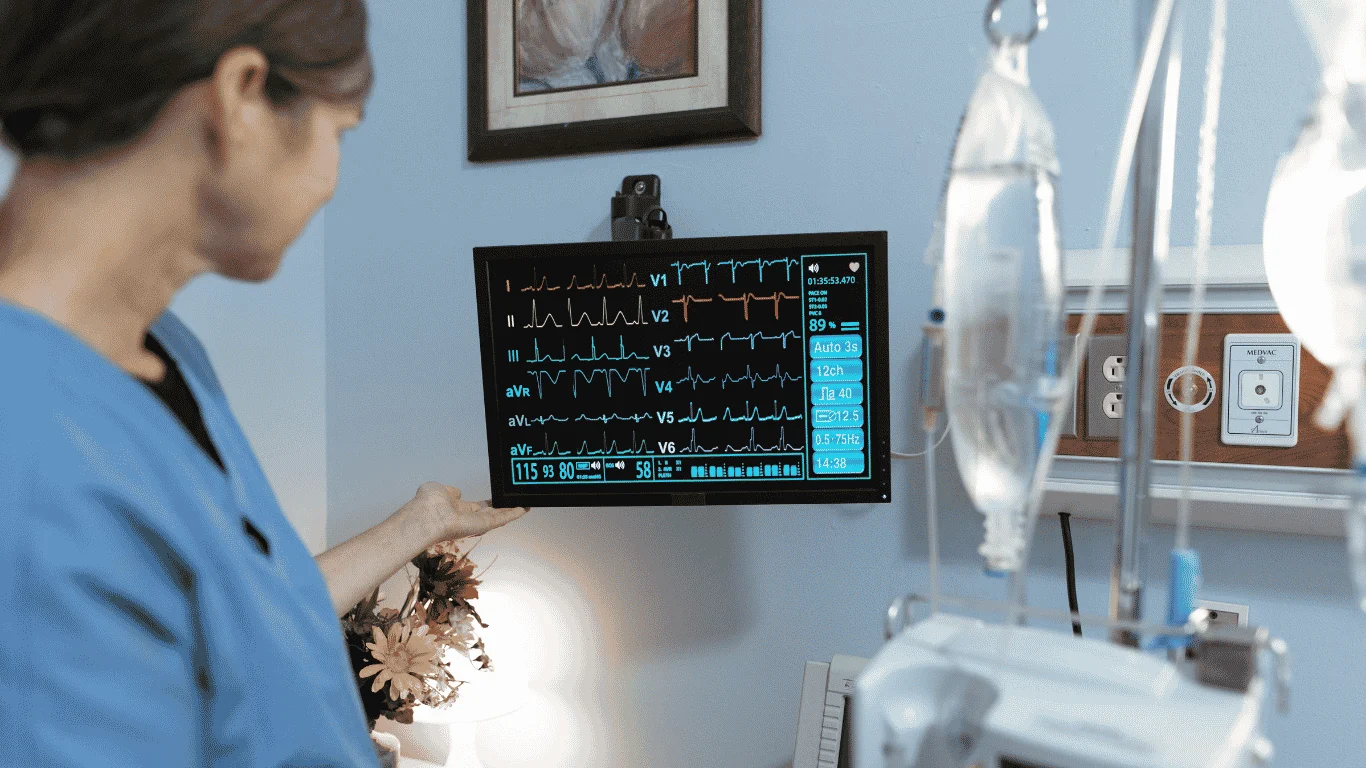
Your dental team tracks your vital signs continuously during sedation. Pulse oximetry measures your oxygen levels and heart rate throughout the procedure. Blood pressure and breathing rate are also monitored.
IV sedation requires more intensive monitoring than oral sedation because the medication works faster and more deeply. A trained professional stays with you the entire time to adjust dosage if needed.
With oral sedation, monitoring is less intensive but still includes regular vital sign checks.
Emergency equipment and reversal medications are always available in case of unexpected reactions.
Managing Side Effects and Recovery
Common side effects vary between sedation methods. Research shows oral midazolam has fewer adverse effects, with only 5% of patients experiencing issues like drowsiness.
IV sedation carries a 10% risk of temporary breathing problems.
You’ll need someone to drive you home after either type of sedation. Recovery from IV sedation can take several hours, while oral sedation effects may last into the next day.
Your dentist will provide a sedation guide with post-treatment instructions.
Contact your dental office immediately if you experience severe nausea, difficulty breathing, or prolonged drowsiness beyond the expected recovery time.
Cost Comparison and Insurance Considerations
IV sedation typically costs $600 to $1,000 per hour, while oral sedation runs $300 to $600 as a flat fee. Most dental insurance plans treat sedation as a luxury and deny coverage unless it’s medically necessary.
Cost Factors for IV Sedation
The cost of IV sedation is higher because it requires specialized equipment and trained personnel. You’ll pay for the actual medication delivered through your vein, plus the monitoring equipment used during your procedure.
Most dentists bill IV sedation in 15-minute increments. A two-hour procedure could cost you $1,200 to $2,000 just for the sedation. This doesn’t include the dental work itself.
The price also covers the presence of a certified professional who monitors your vital signs throughout the appointment. Some offices require an anesthesiologist, which adds to the total cost.
You’re essentially paying for the ability to adjust your sedation level in real-time and for the immediate medical oversight.
Cost Factors for Oral Sedation
Oral sedation costs less because it’s simpler to administer. You take a pill before your appointment, and the dentist monitors you visually during the procedure.
The flat fee structure makes budgeting easier. Whether your dental work takes one hour or three hours, you pay the same sedation price. The medication itself is inexpensive, usually a prescription like Halcion or Valium.
You won’t need specialized monitoring equipment beyond standard vital sign checks. Your dentist doesn’t need additional certification in most states to prescribe oral sedation pills. This keeps the overhead costs lower than IV options.
Insurance and Payment Options
Most insurance companies classify sedation as an elective luxury. They typically only cover it for impacted wisdom teeth removal or when you have a documented medical condition that makes standard anesthesia unsafe.
Coverage exceptions include:
- Severe documented dental phobia with supporting mental health records
- Special needs patients who cannot cooperate during treatment
- Extensive surgical procedures like full-mouth reconstruction
- Medical conditions that require sedation for safety
You can use your HSA or FSA funds to pay for sedation costs. This saves you about 30% if you’re in that tax bracket since you’re using pre-tax dollars.
Ask your dentist’s office about payment plans if you need to spread out the cost over several months.
How to Choose the Best Sedation Option for You
Picking the right sedation method involves looking at how anxious you feel about dental work and understanding what your procedure requires.
Your dentist will work with you to find the safest and most comfortable choice.
Assessing Your Level of Dental Anxiety
Start by thinking honestly about how you feel when you visit the dentist. Do you feel slightly nervous, or does the thought of dental work make your heart race and palms sweat?
Mild nervousness about cleanings or fillings usually responds well to oral sedation. You’ll feel relaxed without needing IV equipment or higher costs.
Moderate to severe dental anxiety often needs the deeper relaxation that IV sedation provides. If you’ve avoided dental care for years because of fear, IV sedation can help you finally get the treatment you need.
Dental phobia is more intense than regular anxiety. People with phobias may panic at the thought of dental visits or have had traumatic experiences in the past.
IV sedation works better for these situations because it offers stronger relaxation and memory loss during treatment.
Ask yourself if you’ve canceled appointments due to fear or if you need someone to hold your hand during procedures. These signs point toward needing stronger sedation dentistry options.
Evaluating Procedure Complexity
The type of dental work you need affects which sedation works best. Simple procedures like routine teeth cleanings or single fillings usually don’t require deep sedation.
Complex treatments like dental implants or wisdom teeth removal benefit from IV sedation because these appointments last longer.
The dentist can adjust your sedation level throughout the procedure to keep you comfortable.
Consider how long you’ll be in the dental chair. Appointments under an hour work fine with oral sedation. Longer sessions of two hours or more often need the adjustable control that IV sedation provides.
Multiple procedures done in one visit also favor IV sedation. If you’re getting several crowns or extractions at once, the deeper relaxation helps you stay calm through extended treatment.
Partnering with Your Sedation Dentist
Your sedation dentist will review your medical history before recommending dental sedation options. Be honest about all medications you take and any health conditions you have.
Conditions like sleep apnea or heart problems may make one sedation type safer than another. Your dentist needs complete information to protect your safety.
Share past experiences with sedation if you have them. If oral sedation didn’t work well before, tell your dentist so they can suggest IV sedation instead.
Discussing your concerns openly helps your dentist find the best solutions for your comfort. Ask questions about what each option feels like and how long recovery takes.
Your dentist should explain the costs of different sedation options and help you understand what your insurance might cover. They can also discuss payment plans if needed.
Frequently Asked Questions
IV sedation works through your bloodstream for immediate control, while oral sedation uses a pill that takes 30 to 60 minutes to kick in. Recovery times and monitoring needs differ significantly between the two methods.
What’s the main difference between IV sedation and oral sedation during a dental procedure?
The biggest difference is how the medication enters your body. IV sedation delivers sedatives directly into your bloodstream through a vein, giving your dentist immediate control over how relaxed you feel.
Oral sedation involves swallowing a pill before your appointment. Once you take it, the medication level can’t be adjusted during your procedure.
IV sedation provides real-time adjustability, which means your dentist can increase or decrease sedation based on what you need at any moment.
With oral sedation, you’re working with a fixed dose that was determined before you arrived.
Which option tends to work faster and feel more predictable for people with severe dental anxiety?
IV sedation works immediately. The effects start as soon as the medication enters your bloodstream, so there’s no waiting around feeling nervous.
Oral sedation takes 30 to 60 minutes to take effect. This timing can vary based on your body weight, metabolism, and whether you’ve eaten recently.
For severe dental anxiety, IV sedation offers more predictable results because your dentist can see exactly how you’re responding and make changes right away.
Oral sedation can be unpredictable since factors like your digestive system affect how well the medication works.
What medications are commonly used for dental IV sedation, and how do they compare to oral sedatives?
Oral sedation typically uses benzodiazepines like diazepam (Valium) or triazolam (Halcion). These medications calm your central nervous system and help you relax.
IV sedation can use similar benzodiazepines delivered through your bloodstream. The same types of drugs work differently when given through an IV because they bypass your digestive system entirely.
The method of delivery affects how strong the sedation feels. IV medications create deeper relaxation than oral pills, even when they’re from the same drug family.
Will I still feel pain or remember the procedure with oral sedation?
Oral sedation helps you relax, but it doesn’t eliminate pain. You’ll still need local anesthesia to numb the treatment area.
Many people experience partial or complete memory loss of their procedure with oral sedation. This amnesic effect helps reduce lingering fears about dental visits, even if you were somewhat aware during treatment.
The level of sedation with oral medication is usually milder than IV sedation. You might remember more of your procedure, though you’ll feel calm and relaxed throughout.
How do the safety, monitoring, and recovery times compare between IV sedation and oral sedation?
Both options are safe when performed by trained professionals. IV sedation requires closer monitoring of your vital signs throughout the procedure because the sedation level is deeper.
Recovery from oral sedation can take longer because the medication metabolizes slowly through your digestive system. You might feel groggy for several hours after your appointment.
IV sedation typically allows for quicker recovery once the procedure ends. The effects wear off more predictably, though you’ll still need someone to drive you home.
When might IV sedation be recommended instead of oral sedation for treatments like wisdom teeth removal?
Your dentist might suggest IV sedation for lengthy or complex procedures. Wisdom teeth extraction, dental implants, and full-mouth reconstruction often work better with the deeper relaxation that IV sedation provides.
If you have severe dental anxiety or phobia, IV sedation gives you better control over your comfort level. The ability to adjust sedation during your procedure makes a big difference for people who feel paralyzed by dental fear.
More invasive treatments benefit from IV sedation because your dentist needs precise control over how relaxed you are.
Oral sedation works well for routine fillings or cleanings, but complex surgeries require the flexibility that only IV sedation offers.