


That popping or clicking sound can be startling, especially if your jaw clicks when chewing or every time you take a bite of food.
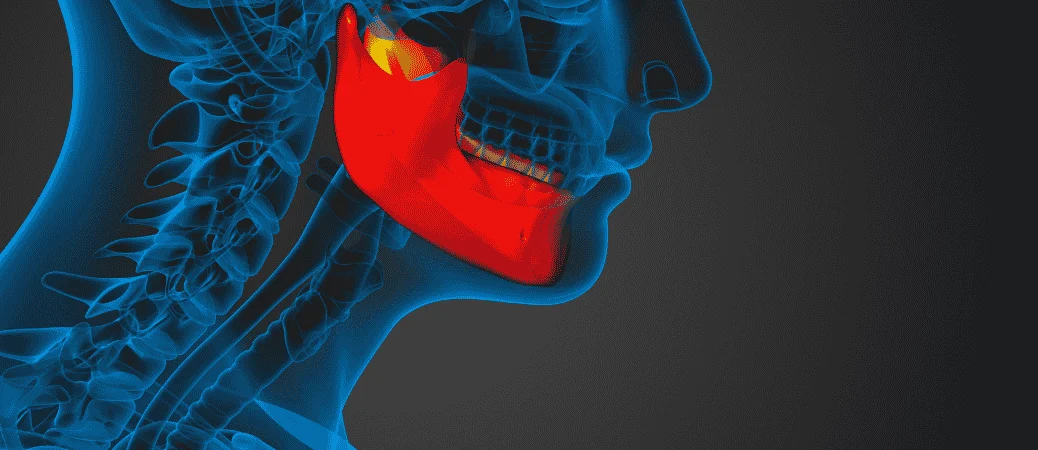
In most cases, jaw clicking happens because of a small shift in the disc inside your temporomandibular joint, which is the joint that connects your jaw to your skull, and it’s often linked to a TMJ disorder.
But not every click means the same thing, and figuring out what’s behind yours can help you know if it’s something to watch or something to get checked out.
You might notice the sound only on one side, or maybe it comes with a bit of soreness when you chew.
Sometimes jaw clicking on one side points to a different cause than clicking on both sides, and other symptoms like pain, stiffness, or trouble opening your mouth can give you more clues.
This post walks you through what’s likely happening inside your jaw joint and helps you sort out normal clicking from signs that need attention.
You’ll also learn what other conditions can cause a clicking jaw besides TMJ, when it makes sense to simply keep an eye on things, and when it’s time to talk to a doctor or dentist.
By the end, you’ll have a clearer picture of what your jaw is trying to tell you.
Key Takeaways
- Jaw clicking often comes from a small shift in the disc inside your jaw joint, and it’s frequently tied to TMJ issues.
- Not all clicking is the same, and things like one-sided sounds or pain can help point to the cause.
- Some jaw sounds are fine to monitor at home, while others call for a professional evaluation and treatment.
Table of Content
- What the Click May Mean Inside Your Jaw Joint
- Common Reasons Your Jaw Clicks While Chewing
- Signs That Point to TMJ Disorder or Another Condition
- When to Monitor It and When to See a Professional
- How Jaw Clicking Is Evaluated and Treated
- Frequently Asked Questions
What the Click May Mean Inside Your Jaw Joint
That click you hear usually comes from a small disc inside your jaw joint moving out of its normal spot. Understanding your jaw anatomy can help you figure out whether the sound is harmless or worth a closer look.
TMJ Anatomy and the Role of the Disc
Your temporomandibular joint (TMJ) sits right in front of your ears, on both sides of your head. It connects your lower jaw, called the mandible, to your skull.
Problems affecting this joint and the surrounding muscles are often described as TMD.
Inside this joint, a small round part of your mandible called the condyle fits into a socket. Between the condyle and the socket is a soft disc made of cartilage.
This disc acts like a cushion, so the condyle can glide smoothly when you chew, talk, or yawn.
When everything works right, the disc moves along with the condyle without any noise. But if the disc slips out of its normal position, it can create the clicking or popping sound you notice.
Disc Displacement With Reduction
The most common cause of jaw clicking is called disc displacement with reduction. This happens when the disc slides forward, away from where it should sit on the condyle.
When you open your mouth, the condyle moves and pushes the disc back into place. That’s the moment you hear the click. As you keep opening, the joint moves normally again.
This condition is usually not dangerous. Many people live with it for years without any pain or other problems.
Your body has simply found a way to work around a disc that isn’t sitting quite right, and the click is often just a sign of that adjustment.
Clicking Without Pain Versus a Painful Click
Not all jaw sounds mean the same thing. Clicking without pain is usually not a big concern, and you may not need any treatment at all.
A painless click by itself does not confirm a jaw disorder. It’s simply a sound, and sounds alone don’t always point to a problem.
Pain changes the picture. If clicking comes with soreness, stiffness, or trouble opening your mouth all the way, it may be a sign of a true joint issue. Here’s a simple way to think about it:
- Click with no pain: Often harmless, may not need treatment
- Click with pain or stiffness: May need evaluation
- Click with locking: Should be checked by a dentist or doctor
Why One-Sided Clicking Can Happen
Sometimes you may notice the jaw clicking on one side but not the other. This can happen because each side of your jaw joint works somewhat independently.
The disc on one side may have shifted out of place while the disc on the other side stays put. Chewing habits also play a role. If you tend to chew more on one side, that joint may experience more wear over time.
One-sided clicking is common and doesn’t always mean something serious is wrong. But if you notice new pain, swelling, or a change in how your jaw feels on one side, it’s worth mentioning to your dentist.
Common Reasons Your Jaw Clicks While Chewing
A clicking jaw can come from muscle habits, joint stress, or changes that build up over time. Here are the most common reasons your jaw might pop when you eat.
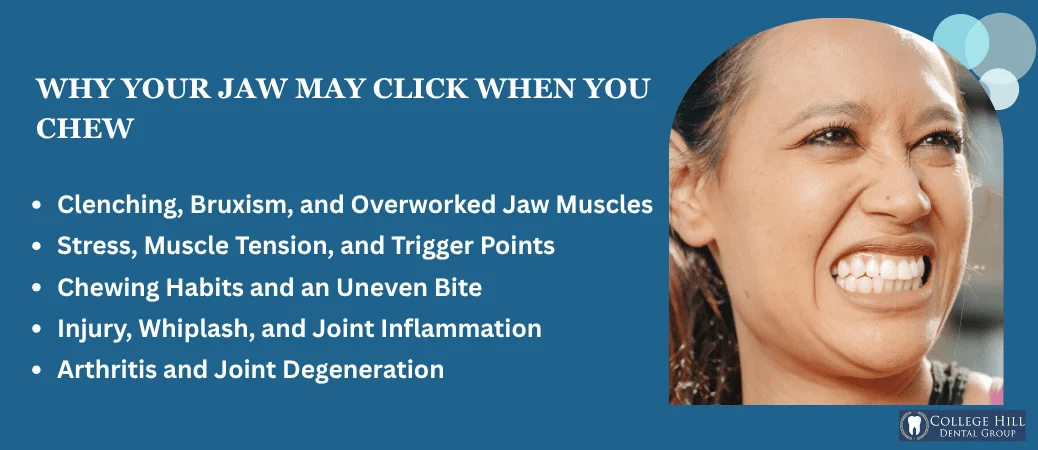
Clenching, Bruxism, and Overworked Jaw Muscles
If you clench your teeth or grind them at night, you might be putting extra strain on your jaw joint. This habit is called bruxism, and it’s one of the leading causes of jaw clicking.
Clenching keeps your jaw muscles tight even when you’re not eating. Over time, this can push the small disc inside your jaw joint out of its normal spot.
When you open your mouth to chew, the disc can slip and cause a click or pop. You might also notice a sore jaw when you wake up, or headaches that start near your temples.
Stress, Muscle Tension, and Trigger Points
Stress doesn’t just affect your mood. It can also show up in your jaw.
When you’re stressed, you may tighten your jaw muscles without noticing. This buildup of tension can create trigger points, which are tight knots in the muscle that cause pain and stiffness.
These trigger points can pull your jaw slightly out of alignment. That shift can make clicking more likely when you chew or talk.
Simple stress management steps, like deep breathing or taking breaks during the day, can help ease jaw tension. Paying attention to when you clench, like during work or driving, can also help you catch the habit early.
Chewing Habits and an Uneven Bite
Some habits put more stress on your jaw than others. Chewing gum often, biting your nails, or eating a lot of hard or chewy foods can overwork the jaw joint.
An uneven bite, also called malocclusion, can also lead to clicking. This happens when your upper and lower teeth don’t line up the way they should.
A misaligned bite can force your jaw to shift to one side when you chew. That shift places extra pressure on one part of the joint, which can cause popping or clicking sounds over time.
If you notice your jaw clicks on only one side, an uneven bite could be the reason.
Injury, Whiplash, and Joint Inflammation
A direct hit to the jaw, a fall, or even whiplash from a car accident can affect how your jaw joint works. These injuries can stretch or damage the tissue that holds the joint together.
Once that tissue is loose or damaged, the disc inside the joint can move out of place more easily. This can lead to clicking every time you open or close your mouth.
Inflammation often follows an injury, which can cause swelling and stiffness in the joint. This makes chewing feel harder and can make clicking sounds more noticeable, especially in the days or weeks after the injury happened.
Arthritis and Joint Degeneration
Arthritis can affect the jaw joint just like it affects other joints in your body. Osteoarthritis happens when the cartilage that cushions the joint wears down over time.
This wear can lead to joint degeneration, which means the bones may rub together more than they should.
Rheumatoid arthritis is different. It’s an autoimmune condition that causes the body to attack its own joint tissue, which can lead to swelling, pain, and clicking in the jaw.
Both types of arthritis can change the shape of the joint over time. This makes clicking sounds more common, especially as you get older.
Signs That Point to TMJ Disorder or Another Condition
Jaw clicking on its own is not always a big deal, but other signs can help you figure out if TMJ disorder is the cause. Pay attention to pain, movement problems, sounds, and bite changes to get a clearer picture.
Pain, Facial Symptoms, and Ear-Related Symptoms
TMJ pain often shows up in more than one spot. You might feel it in your jaw, but it can also spread to your face, temples, and ears.
Many people with TMJ dysfunction also deal with headaches that feel like tension building around the temples. Ear pain is common too, even without an actual ear infection.
This happens because the jaw joint sits close to your ear canal.
Some people also notice dizziness or a feeling of being off balance. This isn’t true for everyone, but it’s worth mentioning to your dentist or doctor if it happens.
Here’s a quick look at common symptoms:
- Jaw, face, or temple pain
- Headaches
- Ear pain or pressure
- Dizziness or balance issues
Jaw Locking and Limited Movement
Trouble opening or closing your mouth fully is a strong sign of a jaw joint problem. This can feel like your jaw gets stuck partway open or closed.
This is sometimes called a closed lock, which happens when the disc inside your jaw joint shifts out of place and blocks normal movement.
Doctors may also call this disc displacement without reduction. It can make everyday things like yawning, talking, or eating harder than usual.
If your jaw locks up completely and won’t move, treat it as more urgent. Mild stiffness might ease on its own, but a locked jaw that doesn’t loosen up needs a professional to look at it.
Grinding Sounds and Crepitus
Clicking is one sound your jaw might make, but grinding or grating noises point to something different. This grinding sound is called crepitus, and it often means there’s wear on the joint surfaces.
Crepitus can feel and sound like sand or gravel rubbing together when you open your mouth. It’s different from a single clean click or pop.
This type of sound is more common in people who have had TMJ issues for a while. It can also happen alongside arthritis in the jaw joint.
If you notice this sound along with pain or stiffness, it’s a good idea to get it checked out.
Changes in Your Bite or Ability to Chew
Your bite and your ability to chew can give you helpful clues too. If chewing tough or crunchy foods feels harder than it used to, your jaw joint or muscles may be involved.
Some people notice their teeth don’t fit together the way they used to. This is called malocclusion, and it can happen when the jaw shifts due to joint problems.
An uneven bite may also cause more strain on one side of your jaw than the other.
Watch for these changes:
- Trouble chewing hard or chewy foods
- Feeling like your teeth meet differently than before
- More pressure or fatigue on one side of your jaw
If you notice any of these changes lasting more than a few days, it’s worth mentioning to your dentist.
When to Monitor It and When to See a Professional
Most jaw clicking does not need urgent care, but certain signs mean you should call a dentist or specialist. Here’s how to tell the difference.
When Occasional Clicking Is Usually Not Urgent
If your jaw clicks now and then but you don’t feel pain, you probably don’t need to worry. Clicking without pain is common and often just means the disk in your jaw joint is sliding slightly out of place as you chew or talk.
Many people have this happen for years without any other issues.
You can keep an eye on it at home. Try to avoid habits that put extra stress on your jaw, like chewing gum, biting your nails, or eating very chewy foods.
If the clicking stays the same and doesn’t come with pain, stiffness, or trouble opening your mouth, there’s usually no need to see anyone right away. Just keep watching for any changes.
Symptoms That Need a Dental Evaluation

Some symptoms mean it’s time to book an appointment, even if they don’t feel like an emergency. You should see a dentist if your jaw clicking comes with any of the following:
- Jaw pain that shows up regularly, not just once in a while
- Difficulty chewing certain foods because of discomfort
- Soreness around your ear or jaw joint after eating
- Clicking that has gotten louder or more frequent over time
- Headaches that seem connected to jaw movement
These signs can point to a TMJ disorder that a dentist can help manage before it gets worse. Catching TMJ symptoms early often means simpler treatment, like a mouth guard or changes to your habits.
When a Specialist or Urgent Care Is Appropriate
Certain situations call for more than a routine dental visit. If your jaw suddenly locks and you can’t open or close your mouth, this is called a closed lock, and it needs prompt attention.
You should also seek care quickly if you’ve had a recent jaw injury, such as from a fall, sports accident, or blow to the face. Pain that is severe, sudden, or doesn’t improve with rest is another reason to get checked out.
In these cases, your dentist may refer you to an oral and maxillofacial surgeon, a specialist trained in more complex jaw problems.
This field of dentistry focuses on conditions that go beyond what a general dentist typically treats. Getting help quickly can prevent jaw locking from becoming a long-term problem.

How Jaw Clicking Is Evaluated and Treated
A doctor or dentist will check your jaw, look at your bite, and may order imaging to find out what is causing the noise. Once they know the cause, they can suggest home care, professional treatment, or in rare cases, surgery.
Exam, Bite Assessment, and Imaging
Your dentist will start by watching and feeling your jaw as you open and close your mouth. They will check how far you can open, listen for clicking or popping, and see if your bite lines up the way it should.
If they need a closer look, they might order an x-ray to check your jawbone and teeth. In some cases, an MRI gives a clearer picture of the soft disc inside your jaw joint.
This helps your dentist figure out if you have a temporomandibular joint disorder or something else going on.
Your dentist will also ask about your symptoms. Pain, headaches, or a jaw that locks up are all clues that help guide your treatment plan.
Conservative Relief Measures at Home
Many mild cases of jaw clicking get better with simple home care. Giving your jaw a break is often the first step.
Here are some things you can try at home:
- Jaw rest – avoid wide yawns, gum chewing, and biting into hard foods
- Soft diet – stick to foods like yogurt, soup, and pasta to reduce strain
- Moist heat – apply a warm, damp towel to your jaw a few times a day
- Anti-inflammatory medication – over-the-counter options can help ease swelling and pain
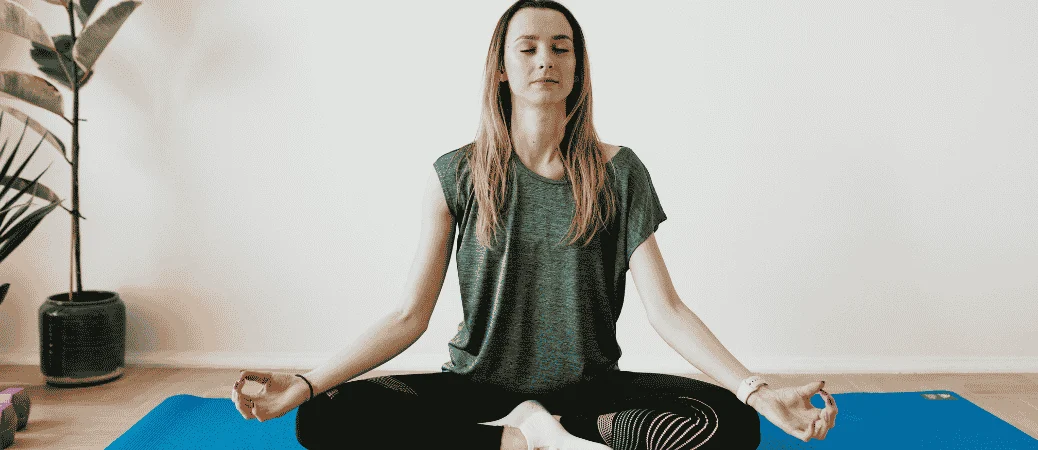
- Relaxation exercises and deep breathing – these can loosen tight jaw muscles
- Stress management – since stress often leads to jaw clenching or grinding
These steps won’t fix every case, but they often bring quick relief while your jaw heals.
Professional Treatments for Persistent TMJ Symptoms
If home care doesn’t help enough, your dentist may recommend other TMJ/TMD treatment options based on what is causing your symptoms. Physical therapy is a common next step.
A therapist can teach you exercises that stretch and strengthen your jaw muscles.
Your dentist might also prescribe muscle relaxants to ease tension in your jaw. Some patients benefit from TENS therapy, which uses gentle electrical pulses to relax the muscles around the joint.
A mouthguard, night guard, or occlusal splint can also help. These devices fit over your teeth and stop grinding or clenching, especially while you sleep.
Your dentist can determine which type of occlusal splint works best for your bite. In some cases, braces may be suggested if your bite alignment is contributing to the problem.
Procedures for Severe Joint Problems
When conservative care and splints don’t solve the problem, your dentist may refer you to an oral and maxillofacial surgeon.
This specialist handles more serious TMJ disorder cases that involve joint damage or a disc that won’t move properly.
One option is arthrocentesis, a minor procedure where fluid is flushed through the joint to remove debris and reduce inflammation. It’s less invasive than open surgery and often brings quick relief.
In rare and severe cases, more involved surgery may be needed to repair or replace the joint. Your surgeon will only recommend this after other treatments have failed and your symptoms are seriously affecting your daily life.
Frequently Asked Questions
Jaw clicking raises a lot of common questions, from what causes the sound to when you should get it checked out. Here are quick answers to help you understand what your jaw might be telling you.
Why does my jaw click when I chew or open my mouth?
Your jaw clicks because the disc inside your temporomandibular joint (TMJ) shifts out of its normal spot.
When you open your mouth or chew, the displaced disc snaps back into position, and that snap makes the clicking or popping sound you hear.
This joint works like a ball and socket, and it moves every time you talk, chew, or yawn. Since the TMJ is in near-constant use, even small shifts in the disc can create noticeable sounds.
Is jaw clicking without pain a sign of TMJ disorder?
Not always. If your jaw pops the same way every time you chew, and you don’t have pain, locking, or trouble opening your mouth wide, it’s often something you can just keep an eye on.
That said, painless clicking can still point to a disc that has shifted position. It may not need treatment right away, but it’s worth mentioning at your next dental visit.
Why does my jaw click only on one side?
One-sided clicking usually means the disc problem is affecting just one of your two TMJ joints. Since you have a joint on each side of your jaw, it’s common for only one side to be out of alignment while the other works normally.
Muscle tension or clenching on one side of your face can also make the click louder or more noticeable on that side. If you chew mostly on one side out of habit, that can add extra strain and make the clicking more obvious there too.
Can jaw clicking go away on its own?
Yes, jaw clicking can go away without treatment, especially if it’s caused by temporary muscle tension or a habit like gum chewing. Cutting back on habits that strain your jaw, such as nail biting or eating tough, chewy foods, can sometimes be enough to stop the noise.
Stress-related clenching often eases up once you manage your stress levels better. However, if the clicking is caused by a structural issue with the disc, it may stick around until you address the underlying cause.
What other conditions can cause jaw clicking besides TMJ?
TMJ disorder is the most common cause, but it’s not the only one. Muscle imbalance around the jaw, teeth grinding, and an uneven bite can all lead to clicking sounds when you chew.
In rarer cases, inflammation in the joint or even bone infections like osteomyelitis can cause jaw noises. Arthritis in the jaw joint is another possible cause, especially if the clicking comes with stiffness or swelling.
When should I see a dentist or doctor for jaw clicking?
You should schedule an appointment if the clicking comes with pain, your jaw locks up, or you can’t open your mouth as wide as usual. It’s also worth getting checked if chewing becomes uncomfortable or the sound of the click changes over time.
Frequent headaches paired with jaw clicking are another reason to get evaluated. A dentist or doctor can figure out whether your symptoms point to TMJ disorder or something else, and they can guide you toward the right treatment plan.