


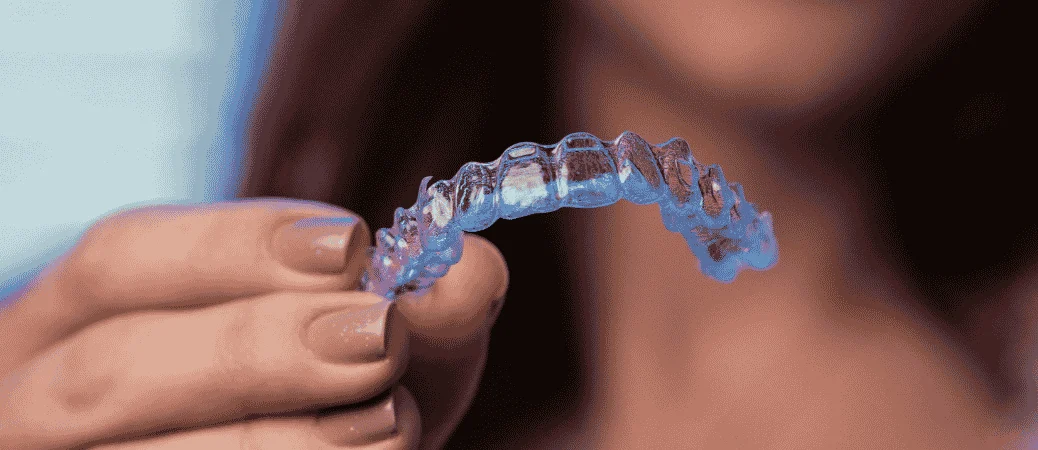
Is your CandidPro not tracking properly, or does a tray suddenly seem like it no longer fits?
A tray that does not snap fully onto your teeth can feel alarming, especially when you are counting down the days to your next set.
If your CandidPro aligner still has a gap or will not seat after a few days of full-time wear, stay in your current tray, submit your ProMonitoring scan, and let your dentist decide whether to wait, rescan, or revise your plan.
Please do not jump ahead to the next tray or change your wear schedule on your own. Those choices belong to the clinician reviewing your scans.
Your timeline from your CandidPro consultation is an estimate, and teeth move at their own pace.
With CandidPro clear aligners, your ScanBox check-ins give your dentist a clear view of what is happening between visits. That means small tracking issues can be caught early and corrected before they grow.
Key Takeaways
- Mild pressure on a new tray is normal, but a lasting gap needs a clinician’s review.
- Your ProMonitoring scans help your dentist decide when to stay, advance, or rescan.
- Send clinical fit questions through your dentist, and send app or shipping issues to CandidPro Support.
How Can You Tell Whether Your Aligners Are Tracking?
Aligners are tracking when each tray seats fully, feels snug without air space at the tooth edges, and loosens slightly as the days go by.
Warning signs include gaps that do not close, a tray that rocks, or teeth that look unchanged across several trays.
What Does a Tracking Gap Look Like?
A tracking gap is the visible space between the edge of a tooth and the inside of the tray. You will most often spot it at the biting edge of the front teeth or at the tip of a canine.
Stand in good light, smile into a mirror, and look straight on and from the side.
A small sliver of air on day one is common. What you want to watch for is space that is still there after several days of steady wear. Another clue is when one side of the tray settles in and the other side lifts.
Try this quick check:
- Seat the tray and press gently with your fingertips along each tooth.
- Look for any tooth where the tray stands off the edge.
- Notice whether the tray clicks into place or just rests on top.
Is Tightness Normal When You Start a New Tray?
Yes. A new tray is shaped for where your teeth will be at the end of that stage, so it should feel tight at first. Many patients describe a dull pressure or mild soreness for the first one to three days.
Eating softer foods and putting the new tray in at bedtime helps you sleep through the worst of it.
Healthy tightness has a pattern. It is strongest on day one, eases each day, and by the end of the stage the tray slides on and off with little effort.
Tightness that stays sharp, or a tray you cannot push into place, is a different story.
Which Fit Changes Mean You Should Contact Your Dentist?
Some fit changes should go to your dentist rather than waiting for the next scan date. Message or visit the office if you notice:
- A gap that has not improved after several days of full-time wear
- A tray that is cracked, warped, or bent out of shape
- A tray that pokes or cuts your gums or cheek
- Sharp pain in one tooth, or a tooth that feels loose beyond mild pressure
- A tray that fits worse over time instead of better
If you have swelling, bleeding that will not stop, or severe pain, treat it as urgent. Our guide on when to seek emergency dental care explains which symptoms need same-day help.
Why Can Progress Look Slower Than Expected?
Progress often looks slow because tooth movement happens in tiny steps. From one tray to the next, the change is small enough that you may not see it in the mirror.
Comparing photos taken four to six weeks apart gives you a truer picture.
Biology plays a large part, too. The treatment length depends on individual biology and the goals set with your dentist.
Some teeth, especially rotated or misaligned teeth that need to move up or down, take longer to respond. A slow stretch is not a sign that anything is wrong, though it is worth mentioning at your next check-in.
Why Might Your Teeth Fall Behind the Plan?
Teeth fall behind the plan for a handful of reasons: fewer wear hours, trays changed too soon, trays that are not fully seated, or teeth and gums that respond more slowly than predicted.
Some of these you can check at home, and others need a clinician’s eye.

Can Missed Wear Time or Early Tray Changes Affect Tracking?
Yes, and it is one of the most common reasons trays stop fitting.
Most dentists ask CandidPro patients to wear aligners about 22 hours a day, taking them out only to eat, drink anything other than water, and clean. A few short days can leave your teeth a step behind the next tray.
Changing trays early has a similar effect. Your teeth need time to finish each stage before the next one can seat.
If the calendar says it is time to switch but your current tray still feels tight or shows a gap, your teeth likely need more time.
None of this is about blame. Travel, illness, and busy weeks happen. Just be honest with your dentist about any off days so they can read your scans correctly.
Could an Aligner That Is Not Fully Seated Be the Problem?
Often, yes. An aligner can only push a tooth that it fully grips. If a tray is sitting slightly high, the planned force never reaches the tooth, and the next tray fits even worse.
How you put the tray in affects seating. The same guidance points out that normal use, body temperature, and teeth grinding all wear the plastic over time, which is one reason worn or warped trays fit less snugly.
When Do Tooth Movement or Gum Health Need a Closer Look?
Your dentist should take a closer look when one tooth keeps lagging, when you have tender or bleeding gums, or when you take medicines that may slow bone remodeling.
Certain movements, such as rotations and moving a tooth up or down, are harder for aligners to finish.
Gum health matters to how teeth move during orthodontic treatment. Plaque under a tray sits against your teeth for hours, and inflamed gums or gum disease make movement slower and less predictable.
Keeping up with brushing, flossing, and regular teeth cleanings protects your oral health and your results.
What Should You Do When a Tray Does Not Fit?
When a tray does not fit, you can check your wear habits and seating technique yourself, then report the problem through your ProMonitoring app. The decision about what comes next stays with your dentist.
Check Your Wear Schedule and Follow Seating Instructions
Start with what is in your control. Look back at the past week and ask yourself how many hours you wore your trays each day. If some days fell short, return to full-time wear right away.
Next, reseat the tray with care:
- Press the tray over your front teeth first, then push down on the back teeth.
- Run a fingertip along each tooth to feel for spots that stand off.
- Bite gently on a chewie, moving it around the arch, for a few minutes several times a day.
- Avoid hot water, which can warp the plastic.
Give this two to three days of steady wear. Many small gaps close during that window.
Submit Your Scheduled Scan and Describe the Fit Issue
Your ScanBox check-in is how your dentist sees what you are feeling.
Attach your phone to the ScanBox, follow the prompts in the ProMonitoring app, and take your scan with the tray in place as instructed. Good lighting and a steady hand make the images easier to read.
When you submit, describe what you notice in plain words, such as “gap on upper left canine since day two” or “tray rocks on the right side.”
Clear notes help your dentist match your scan with your experience. The monitoring system flags unseated aligners and tracking issues so your dentist can step in.
Do Not Skip Ahead or Change Trays Without Your Dentist’s Guidance
Please stay in your current tray until your dentist tells you otherwise.
Moving on while a gap remains puts your teeth further behind the plan. It also makes it harder to get back on track later.
The same goes for changing your schedule. Wearing a tray fewer days, or going back to an older tray, should be your dentist’s decision.
If you are unsure which tray to wear today, keep wearing the one you are in and ask.
When Should Your Dentist Adjust the Plan?
Your dentist adjusts the plan when your scans show teeth are not keeping pace with the trays. The fix ranges from a few extra days in a tray to a fresh scan and a new series of aligners.
At College Hill Dental Group, Dr. Phillip Dombrovskiy, DDS, brings comprehensive clinical training and a careful, patient-focused approach to treatment planning.
If your aligners stop tracking as expected, he can evaluate the fit and your progress to determine whether the current stage needs more time or your treatment plan should be reassessed.
When Is More Time in the Current Tray Enough?
More time is enough when the gap is small and shrinking. If your scans show a tooth nearly in position, your dentist may simply keep you in that stage a bit longer.
This is one of the most common adjustments, and it often prevents bigger changes later.
In the ProMonitoring system, a green “Go” result means the tray fits well enough to move on. If your dentist has not set a custom schedule, the app defaults to a 14-day wear schedule.
A “No-Go” keeps you in your current tray until the planned movement is done.
When Might You Need a New Scan, Revised Plan, or Replacement Aligner?
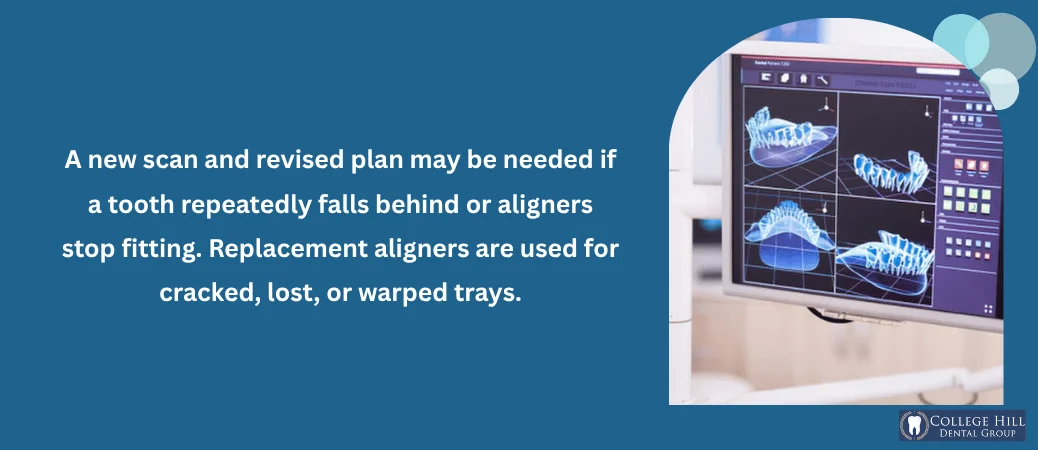
A new scan and revised plan make sense when a tooth keeps falling behind over several trays, or when the next trays in your aligner kit no longer seat at all.
Your dentist takes updated records and requests changes to your custom treatment plan.
For your dentist, requesting a revision means adding notes so the CandidPro clinical team and orthodontist can update the setup. Your dentist then reviews the new version before new aligners are made.
A replacement aligner is the answer when a tray is cracked, lost, or warped. Your dentist orders it, and you may wear your previous tray in the meantime if they advise it.
What Happens if the Final Trays Do Not Match the Intended Result?
If your last trays leave small spaces, rotations, or bite issues, your dentist can order a refinement. That is a short added series of trays built from a new scan of where your teeth are now.
Refinements are a normal part of CandidPro treatment for many patients.
Once your teeth reach their goal, retainers hold them in place. CandidPro offers PermaForm retainers, and your dentist will explain how often to wear them.
Adults especially benefit from steady retainer wear, as covered in our article on clear aligners for adults.
Who Can Help With Monitoring and Treatment Questions?
Your dentist handles every clinical question about fit, movement, and your plan, while CandidPro Support helps with the app, shipping, and supplies. Knowing where to send each question saves you days of waiting.
How Does Your Dentist Review ProMonitoring Check-Ins?
Your dentist reviews your check-ins inside the CandidPro doctor portal. The platform places monitoring data and controls in the Doctor Portal, so your dentist can view your scan results and change your status without extra steps.
From there, your dentist decides whether you advance, stay, or come in for a visit. If a case is tricky, general dentists can consult CandidPro orthodontists during treatment.
At College Hill Dental Group in Easton, PA, our team uses these check-ins to decide when an in-office visit is worth your time. You can learn more about our CandidPro clear aligners service and how monitoring fits in.
Which Issues Go to Your Dentist and Which Go to CandidPro Support?
Clinical issues go to your dentist, and technical or shipping issues can go straight to CandidPro Support.
| Issue | Contact |
| Tray gaps, poor fit, discomfort | Your dentist |
| Plan progress or revisions | Your dentist |
| Warped or damaged aligners | Your dentist |
| Replacement steps and retainers | Your dentist |
| ProMonitoring app errors or login | CandidPro Support |
| How to scan | CandidPro Support |
| ScanBox, chewies, cases | CandidPro Support |
| Shipping and tracking | CandidPro Support |
Let Your Dentist Guide the Next Aligner Change

CandidPro not tracking properly? Don’t move ahead to another tray without guidance.
Check your wear habits, make sure the current aligner is fully seated, and submit your ProMonitoring scan so your dentist can review what is happening.
Frequently Asked Questions
Should I move to the next CandidPro tray if the current one has a gap?
No. Stay in your current tray and submit your scan so your dentist can check the fit. Moving on with a gap can push your teeth further behind the plan.
Can ProMonitoring tell me whether my teeth are tracking?
ProMonitoring analyzes your scans for fit and tracking, and your dentist reviews those results.
The app shares next steps with you, but your dentist makes the final call on advancing or staying.
How long should I wait before reporting an aligner that does not fit?
Give a new tray two to three days of full-time wear with chewies. If the gap is still there, report it in the app and contact your dentist. Report a cracked, warped, or painful tray right away.
Can my dentist revise my CandidPro treatment plan?
Yes. Your dentist can take a new scan and request revisions from the CandidPro clinical team and orthodontist. You then receive updated aligners based on where your teeth are now.
Who should I contact about a damaged aligner or an app error?
Contact your dentist about a damaged or warped aligner, since they order replacements. For app errors, login trouble, or scanning help, reach out to CandidPro Support directly.