When to Seek Emergency Dental Care

When to Seek Emergency Dental Care

When to Seek Emergency Dental Care

When to Seek Emergency Dental Care in Easton, PA

Dental emergencies can happen at any time—often when you least expect them. Whether it’s a knocked-out tooth during a weekend soccer game or sudden, severe tooth pain in the middle of the night, it’s important to know when to seek emergency dental care.

At College Hill Dental Group, we understand how overwhelming and painful dental emergencies can be. That’s why the best dentist in Easton, PA is here to provide fast, compassionate care when you need it most.
When to Seek Emergency Dental Care

What Is a Dental Emergency?

A dental emergency is any situation involving your teeth, gums, or mouth that requires immediate attention to stop bleeding, relieve pain, save a tooth, or prevent infection.

While some issues can wait for a scheduled appointment, others need urgent care. Understanding the difference can help protect your smile and avoid long-term complications.

Common Dental Emergencies

Here are the most frequent dental emergencies we treat at College Hill Dental Group:

1. Severe Toothache

Persistent or severe tooth pain can signal a serious issue like an abscess, infection, or deep decay. If your pain doesn’t go away with over-the-counter pain relief, or it keeps you awake at night, it’s time to call us.

2. Knocked-Out Tooth

If a tooth is completely knocked out (avulsed), time is critical. Getting emergency care within 30–60 minutes gives the best chance of saving the tooth. Rinse it gently, avoid touching the root, and try placing it back in the socket—or keep it in milk or saliva until you reach us.

3. Cracked or Broken Tooth

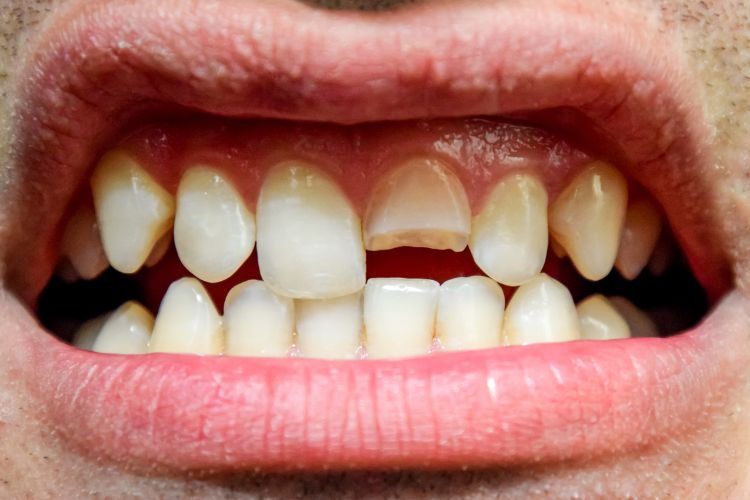
A chipped tooth might not always be urgent, but if a large piece breaks off or you’re in pain, you should seek immediate attention. Deep cracks can expose the nerve, leading to infection or even tooth loss if untreated.

4. Swelling or Abscess

Facial swelling, especially around the jaw or gums, can indicate a serious infection. Dental abscesses can spread quickly and even affect other parts of your body. This is a true emergency—don’t wait to call.

5. Bleeding Gums or Mouth

Minor bleeding after brushing or flossing could be a sign of gum disease—but excessive or unexplained bleeding needs prompt care, especially if it’s following dental surgery or trauma.

6. Lost Crown or Filling

While not always a life-threatening emergency, a lost crown or filling can expose the tooth to bacteria, leading to decay or pain. Temporary measures can help, but professional replacement is important.

7. Soft Tissue Injuries

Injuries to the lips, cheeks, tongue, or gums may require stitches or other treatment to stop bleeding and prevent infection.

What’s Not a Dental Emergency?

Not every dental issue needs same-day treatment. For example:

  • A dull toothache that responds to pain medication

  • A small chip without pain or sensitivity

  • Mild sensitivity to hot or cold foods

These can usually wait for a regular dental appointment, but it’s always best to call us if you’re unsure. As the best dentist in Easton, PA, our team will help you decide whether urgent care is needed.

What to Do in a Dental Emergency

If you experience a dental emergency, follow these steps:

  1. Stay Calm: Panicking can worsen the situation. Take a deep breath and assess the injury.

  2. Control Bleeding: Use clean gauze or cloth to apply pressure to any bleeding areas.

  3. Preserve the Tooth (if knocked out): Handle it carefully, keep it moist, and call us immediately.

  4. Manage Pain: Over-the-counter pain relievers (like ibuprofen) and cold compresses can reduce pain and swelling temporarily.

  5. Call College Hill Dental Group: We offer emergency dental services to help you quickly and safely.

Why Choose College Hill Dental Group for Emergency Dental Care?

When you’re dealing with a dental emergency, every minute matters. You need a dentist you can trust—not just for fast relief, but for lasting results.

At College Hill Dental Group, we:

  • Prioritize emergency cases and aim for same-day appointments

  • Use advanced technology for accurate diagnosis and effective treatment

  • Offer compassionate, judgment-free care

  • Are led by the best dentist in Easton, PA, known for excellence in emergency and family dentistry

Whether it’s a sudden injury, severe infection, or unexplained dental pain, we’re here for you when it counts most.

Preventing Future Dental Emergencies

While some dental emergencies are unavoidable, many can be prevented with routine dental care and a few simple precautions:

  • Visit us every 6 months for check-ups and cleanings

  • Wear a mouthguard during sports or high-impact activities

  • Avoid chewing ice, hard candy, or non-food items

  • Don’t ignore tooth pain—it usually doesn’t go away on its own

With regular care from the best dentist in Easton, PA, you can prevent many dental emergencies before they start.

Have a Dental Emergency? Call Us Now.

If you think you’re experiencing a dental emergency, don’t wait. The longer you delay treatment, the more serious (and costly) the issue can become.

Trust your smile—and your health—to the team that Easton families rely on. Get fast, expert care from the best dentist in Easton, PA, right when you need it.

Dental Emergency Treatments

Treatment Options for Common Dental Emergencies

Dental Emergency Treatments

Treatment Options for Common Dental Emergencies

Dental emergencies can never be planned for and may cause severe pain, and discomfort, and, at times, lead to permanent damage. Having knowledge of common dental emergency treatment options and when to access them is crucial. Clients at College Hill Dental Group can benefit from the following tips on how to handle common dental emergencies.

Treatment Options for Common Dental Emergencies

Toothache

Toothache can cause excruciating pain, and the first step should be to rinse the mouth with warm water. If food or an object is stuck, use dental floss to remove it gently. Depending on the extent of the pain, over-the-counter painkillers can be used to alleviate the pain. However, at College Hill Dental Group, our Dental experts can provide a lasting solution by diagnosing and treating the underlying cause of the toothache.

Chipped or Broken Tooth

In case of a chipped or broken tooth, save the broken tooth pieces, rinse with warm water, and book an appointment at College Hill Dental Group immediately. Our dental experts can assess the extent of the damage and provide treatment options such as the use of dental veneers, bonding, or crowns to restore the tooth.

Loss of Tooth

In case a tooth is knocked out, handle it with care, holding it by the crown, rinse gently with warm water, and try to replace it into the socket without forcing it. Keep the tooth in milk or a saline solution while making your way to College Hill Dental Group. A knocked-out tooth requires emergency dental attention and, if treated within the hour, has a higher chance of being saved.

Broken Jaw

A broken jaw is a severe dental emergency requiring immediate attention. In case of injury, apply cold pressure and make your way to an emergency room or contact 911. At College Hill Dental Group, our experts can assess the severity of the breakage and recommend treatment options such as immobilization to reduce pain and aid healing.

Other Emergencies

Any other dental problems require immediate dental attention, such as bleeding, swelling, or bitten tongue or lip. 

Contact Us Today!

Handling dental emergencies requires quick thinking and prompt action. It is always advisable to access emergency dental services immediately to reduce pain and reduce the risk of permanent damage. At College Hill Dental Group, our dental experts are committed to providing top-notch emergency dental services to ensure our clients’ dental emergencies are handled promptly and efficiently. Reach out to us today through any of our communication channels to schedule an appointment.

What to Look for When Visiting an Emergency Dentist

What to Look for When Visiting an Emergency Dentist

What to Look for When Visiting An Emergency Dentist

Visiting An Emergency Dentist: What To Look For

Finding a qualified dentist to address emergency needs can be stressful. After all, it’s hard enough dealing with the sudden onset of pain or other serious dental problems – the last thing you want is for your chosen professional to make matters worse. Whether you are an Easton resident looking for a new usual dentist or simply need reliable care quickly in an emergency situation, our guide to locating and evaluating dentists will help ensure that your experience is positive and productive. Read on to learn more about what sets a truly trustworthy emergency dental practice apart and what to look for when visiting an emergency dentist! 

What to Look for When Visiting an Emergency Dentist

Research the emergency dentist prior to your visit, looking for reviews and credentials

When it comes to unexpected dental emergencies, it’s important to be prepared and stay calm. One way to ease your worries is to research emergency dentists in your area prior to your visit. By doing so, you can gather information on their reviews and credentials, which can give you peace of mind knowing that you’ll be in good hands. Make sure to read through patient testimonials and research their education and experience. This can help you feel confident in your choice and ensure that you receive optimal care during your visit. Taking the time to research emergency dentists beforehand can help alleviate any anxiety you may have and allow you to focus on getting the treatment you need.

Have a list of questions ready for the doctor when they arrive

It’s always a good idea to be prepared with a list of questions when your doctor comes to visit. Whether it’s for a routine check-up or a more serious matter, having your questions ready can help ensure clear communication with your healthcare provider. This way, you can fully understand the diagnosis and treatment options available to you and make informed decisions about your health. Remember that your doctor is there to help you, so don’t hesitate to ask any and all questions that come to mind. With a list in hand, you can confidently discuss your concerns and work together to create a plan that best suits your needs.

Ask about the practice’s protocol regarding different types of dental emergencies

In the event of a dental emergency, it is important to know the protocol of your dental practice. Whether it is a cracked tooth, abscess, or traumatic injury, your dentist should have a plan in place for handling the situation. It is always best to call your dental office as soon as possible in these situations to receive proper guidance. A professional practice should be able to assess your situation and provide you with clear instructions on what to do next. It is important to ask your dentist about their protocol for handling different types of dental emergencies so that you are prepared and know what to expect in case an emergency arises.

Ask any questions you have about the procedure and expected cost

We understand that undergoing a new medical procedure can be intimidating, and we want to make sure that our patients feel fully informed and comfortable every step of the way. That’s why we encourage any and all questions about the procedure and its expected cost. Our team of experienced professionals is here to provide transparent and detailed information that will help you make the best decisions for your health and well-being. We believe that informed patients are empowered patients, and we are committed to providing the highest quality care possible. So please, don’t hesitate to ask us anything – we’re here to help.

Make sure to ask if there are post-procedure instructions to follow

Asking about post-procedure instructions may be the last thing on your mind after a medical procedure, but it is crucial to ensure a successful recovery. Any medical procedure has associated risks, and following guidelines to reduce those risks is essential. Additionally, post-procedure instructions may vary depending on the particular surgery or medical treatment. Only a qualified medical professional can properly advise you on how to care for yourself in the days and weeks following a procedure. Asking about post-procedure instructions is the responsible thing to do for your own health and wellbeing. Remember, taking care of yourself post-surgery can help promote a speedy recovery and ensure the best possible outcome.

Inquire about payment options and insurance coverage

When it comes to healthcare, navigating payment options and insurance coverage can be a complex and confusing process. That’s why we strive to provide our patients with clarity and transparency when it comes to these matters. If you have any questions or concerns regarding payment options, insurance coverage, or our loyalty club, please don’t hesitate to inquire with us. Our team of professionals is here to assist you every step of the way, ensuring that you receive the care and support you deserve. We understand the importance of having confidence in your healthcare provider, which is why we make it our mission to provide you with the information you need to make informed decisions when it comes to payment options and insurance coverage.

Contact Us Today

Scheduling an emergency dental appointment can be a daunting and stressful experience. However, by preparing in advance with research, questions, and expectations, you significantly increase your chances of having a successful visit. Knowing the practice’s protocols for different types of emergencies can be extremely beneficial to ensure any potential complications are addressed quickly and efficiently. Make sure to ask about the expected cost and how payment options will be handled including insurance coverage if applicable. Additionally, don’t forget to ask whether there are post-procedure instructions that should be followed. By preparing yourself in advance, you can make sure your next emergency dental appointment is as stress-free and successful as possible. If you have any other questions or require assistance finding an emergency dentist near you, please contact us today at College Hill Dental Group to schedule an appointment.

What to Do If You Have A Chipped Tooth

What to Do If You Have A Chipped Tooth

What to Do If You Have A Chipped Tooth

How to Handle a Chipped Tooth

A chipped tooth can be a dental emergency. If the damage is severe, you may need to see a dentist right away. But if the chip is small, you may be able to wait until your next scheduled appointment. Here’s what you need to know about chipped teeth, including how to tell if you need to see a dentist near you right away and what to do in the meantime.

What Causes Teeth To Chip?

There are many reasons why teeth can chip. For example, you may bite down on something hard, such as ice or candy. Or you may accidentally fall and hit your mouth on a hard surface. In some cases, teeth can also chip as a result of wear and tear over time.

No matter the cause, it’s important to take steps to protect your teeth from further damage. And in some cases, you may need to see an Easton PA dentist for treatment.

When To See A Dentist Right Away?

If your tooth is severely chipped or broken, you’ll need to see a dentist right away. This is because there’s a risk of the damage getting worse or causing other problems, such as pain or infection.

If you can’t see your dentist right away, go to an emergency room or urgent care center. They may be able to provide treatment or refer you to a dentist who can help.

What to Do If You Have A Chipped Tooth

In the meantime, here are some tips for managing a chipped tooth:

  • Rinse your mouth with warm water. This will help clean the area and reduce pain and swelling.
  • Apply a cold compress to your cheek. This will help reduce swelling.
  • Take ibuprofen if you’re in pain.
  • Avoid eating hard foods or chewing on anything with the affected tooth. Stick to soft foods like soup and mashed potatoes until you can see a dentist.
  • If the chip is large or causing pain, cover it with sugarless gum or wax paraffin until you can see a dentist.
  • Collect any pieces of the tooth that you can find and bring them with you when you see the dentist.

Contact us Today!

A chipped tooth can be a dental emergency—but not always. If the damage is severe, you’ll need to see a dentist right away for treatment. But if the chip is small, you may be able to wait until your next scheduled appointment. In either case, it’s important to take steps to protect your teeth from further damage by avoiding hard foods and chewing on anything with the affected tooth. You should also rinse your mouth with warm water and apply a cold compress to your cheek to reduce swelling. If you’re in pain, take ibuprofen as needed but avoid aspirin since it could increase bleeding. And finally, collect any pieces of the tooth that you can find and bring them with when you see the dentist for treatment—even if that’s not for several days or weeks!