
Why You Might Need a Tooth Extraction

Why You Might Need a Tooth Extraction

Why You Might Need a Tooth Extraction

Why You Might Need a Tooth Extraction in Easton, PA

At College Hill Dental Group, our goal is always to help our patients preserve their natural teeth for a lifetime. However, in certain cases, a tooth may become so damaged or problematic that extraction is the healthiest option. While the idea of having a tooth removed can seem daunting, understanding when and why tooth extraction is necessary can help ease your concerns. If you’re searching for the best dentist in Easton, PA to provide compassionate and expert care, our team is here for you every step of the way.

We’ll explore common reasons for tooth extractions, what to expect during the process, and how we help ensure a smooth recovery.
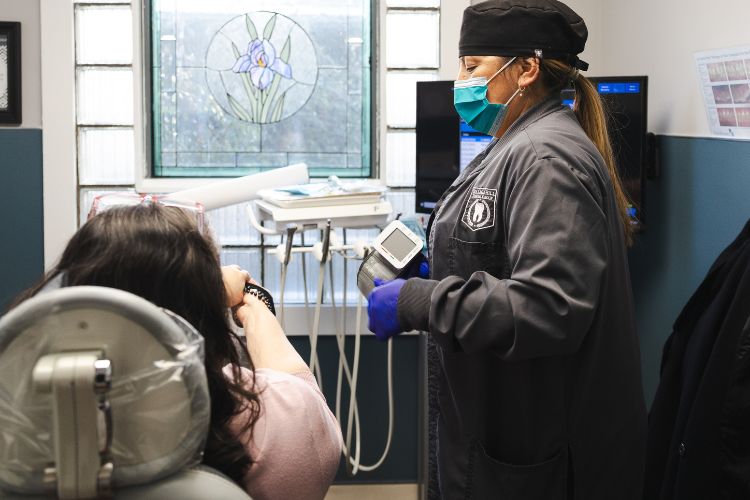
Why You Might Need a Tooth Extraction

When Is a Tooth Extraction Needed?

There are several situations where removing a tooth may be the best course of action to protect your oral health and overall well-being.

1. Severe Tooth Decay

When tooth decay is left untreated, it can progress deep into the tooth, damaging the structure and reaching the pulp (the innermost part containing nerves and blood vessels). If the decay is too extensive for a filling, crown, or root canal to restore the tooth, extraction may be necessary to prevent the spread of infection.

2. Advanced Gum Disease

Gum disease (periodontal disease) is a leading cause of tooth loss. As it advances, it can destroy the bone and tissue that support your teeth. In cases where a tooth has become loose or the supporting structures are too compromised, extraction may be the only solution.

3. Impacted Teeth

Impacted teeth, especially wisdom teeth, can fail to emerge properly and become trapped in the jawbone or gums. This can lead to pain, infection, crowding, and damage to neighboring teeth. In such cases, extraction helps prevent complications and maintain a healthy bite.

4. Overcrowding

Sometimes, tooth extraction is recommended as part of orthodontic treatment. Removing one or more teeth can create the space needed to align the remaining teeth properly and achieve a balanced, functional smile.

5. Fractured or Damaged Teeth

Accidents, sports injuries, or trauma can cause teeth to crack or break beyond repair. When a tooth is fractured below the gum line or into the root, it may not be possible to save it, making extraction the best option.

6. Infection or Risk of Infection

If a tooth becomes infected and a root canal is not possible or has failed, removing the tooth can help stop the infection from spreading to other parts of the body. In patients with weakened immune systems, such as those undergoing chemotherapy or organ transplants, even the risk of infection may warrant a tooth extraction.

What to Expect During a Tooth Extraction

At College Hill Dental Group, we know the thought of tooth extraction can cause anxiety. That’s why we focus on making the process as comfortable and stress-free as possible. As the best dentist in Easton, PA, we use modern techniques and technology to ensure patient comfort.

The Consultation

Your dentist will perform a thorough examination, which may include X-rays, to assess the tooth’s position and condition. We’ll discuss all available treatment options and answer any questions you have. If extraction is the best choice, we’ll create a plan tailored to your needs.

The Procedure

Tooth extractions can be categorized as simple or surgical:

  • Simple extractions are performed on teeth that are visible in the mouth. After numbing the area with local anesthesia, the dentist gently loosens and removes the tooth.

  • Surgical extractions are required for impacted or broken teeth. This involves making a small incision in the gum to access the tooth, sometimes dividing it into smaller pieces for easier removal.

If you’re anxious about the procedure, we offer sedation options to help you relax during your visit.

Aftercare and Recovery

After your extraction, we’ll provide detailed instructions to promote healing and minimize discomfort. Common recommendations include:

  • Resting and avoiding strenuous activity for the first 24 hours.

  • Applying ice packs to reduce swelling.

  • Eating soft foods and avoiding hot, spicy, or crunchy items until healing begins.

  • Keeping the extraction site clean while following your dentist’s guidance on rinsing.

Most patients heal within a few days, though recovery time can vary based on the complexity of the extraction.

Tooth Replacement Options

Losing a tooth doesn’t mean you have to live with a gap in your smile. At College Hill Dental Group, we offer several high-quality tooth replacement options, including:

  • Dental implants for a permanent, natural-looking solution.

  • Bridges to fill the space left by missing teeth.

  • Partial dentures for patients needing multiple teeth replaced.

We’ll work with you to find the best option for restoring your smile and function after extraction.

Why Choose College Hill Dental Group?

When you need a tooth extraction, it’s important to choose a dental team that combines skill, experience, and compassion. At College Hill Dental Group, we are proud to be considered the best dentist in Easton, PA for gentle, patient-centered care. Our team prioritizes your comfort, safety, and satisfaction at every stage — from consultation through recovery.

We use advanced imaging, modern techniques, and sedation options to ensure a smooth experience, and we’re always here to support you with follow-up care and tooth replacement solutions.

Schedule Your Consultation Today

If you’re experiencing tooth pain or have been told you may need an extraction, don’t wait. Contact College Hill Dental Group today to schedule a consultation with our experienced team. We’re here to answer your questions and provide the high-quality care you deserve.


When It Is Time For A Tooth Extraction?

When It Is Time For A Tooth Extraction

When Is It Time For A Tooth Extraction

Do You Need A Tooth Extraction?

Tooth extractions are a common oral surgery procedure, performed for various reasons, including tooth decay, infection, and crowding. The procedure is usually quick and relatively painless, and most patients recover without any complications. However, it is still important to take care of your teeth after extraction to ensure proper healing. This means brushing and flossing regularly, using a mouthwash to control bacteria growth, and eating soft foods for the first few days. If you have any concerns or experience any unusual pain or bleeding, be sure to contact your dentist right away. With proper care, your teeth will soon be back to normal.

Symptoms You May Need A Tooth Extraction

One of the most common dental procedures is a tooth extraction or the removal of a tooth from the mouth. Our friends at Green Dental Care, in Parker CO, list a few reasons why your dentist may recommend a tooth extraction, including severe decay, overcrowding, or infection. In most cases, tooth extraction is a relatively simple and straightforward procedure. However, there are a few things you should keep in mind if you’re considering tooth extraction.

First, it’s important to consult with your dentist to make sure that an extraction is the best course of action. In some cases, decay can be treated with a filling or root canal, and it may not be necessary to remove the tooth. Second, you should be prepared for some discomfort after the procedure. Most dentists will prescribe pain medication to help you manage any discomfort. Third, it’s important to take care of your mouth after an extraction. Be sure to brush and floss carefully and avoid hard or chewy foods for a few days. With proper care, you’ll heal quickly and be back to your normal routine in no time.

Do You Have Overcrowding In Your Mouth?

Do you have overcrowding in your mouth? If so, you’re not alone. Many people have teeth that are too large for their mouths, which can crowd the teeth and make them difficult to clean. Overcrowding can also cause problems with biting and chewing, and it can contribute to tooth decay and gum disease. If you’re concerned about overcrowding in your mouth, talk to the best dentist in Easton PA. They can evaluate the condition of your teeth and mouth and recommend treatment options that can help improve your oral health.

When It Is Time For A Tooth Extraction

Contact Us Today!

College Hill Dental Group would be happy to welcome you to our practice. We offer a full range of services, from preventive care to complex dental procedures. Our experienced team of dentists and specialists is committed to providing our patients with the highest quality of care. If you are looking for a new dental home, we encourage you to contact us today. We would be honored to welcome you to our practice.

Signs You Need a Tooth Extraction

signs you need a tooth extraction Easton PA

Signs You Need a Tooth Extraction 

Many people visit their dentist in Easton, PA, for a tooth extraction. Why? Well, there are several reasons why your tooth isn’t worth saving. Tooth extractions are typically the last resort at College Hill Dental Group. Below, Dr. Moghadam explores signs you need a tooth extraction

Tooth Pain

Tooth pain doesn’t necessarily mean tooth extraction. However, tooth extraction may be necessary if you have tried everything to eliminate the tooth pain and it hasn’t worked. 

For example:

  • Tooth pain post filling, root canal, or crown.
  • Stubborn tooth Infection 
  • Chronic tooth pain

Crowding

Tooth crowding can cause dental chaos. When crowding occurs, it can be detrimental to the look and feel of your smile. Many patients who face crowding will undergo a tooth extraction. In some cases, the patient’s baby teeth never fall out, so they must get a tooth extraction. If you choose not to fix your overcrowded teeth, you could develop the following problems:

  • Tooth decay
  • Gum disease 
  • Pain or discomfort
  • Difficulty chewing
  • Misaligned Teeth

Gum Disease

Inadequate oral health care will lead to gum disease or periodontal disease. This affects both your gums and teeth. Additionally, gum disease affects about 50% of adults in the United States. Bacteria will eat away from the bones that hold your teeth, and eventually, your teeth can begin to decay, making everyday tasks difficult. Bacterial infection can also spread from tooth to tooth. If gum disease is left untreated, you’ll end up with a tooth infection or a “dead tooth.” 

Your dentist can suggest removal of your teeth if:

  • The tooth has been abscessed and contaminated
  • The tooth is loose and is not protected
  • The infection spreads to bones, other teeth, or soft tissues.

Routine cases of gum disease usually do not require dental extraction says our friend Dr. Kacos, an endodontist in Shreveport, LA. It is only when the infection or tooth decay becomes very severe that tooth removal may be necessary to avoid the spread of the infection and to protect other teeth.

Impacted Wisdom Teeth

One of the most common signs you need a tooth extraction is impacted wisdom teeth. Wisdom teeth become impacted when there’s not enough room in your mouth for the tooth to develop properly. Impacted wisdom teeth can be dangerous because they not only cause pain but also can cause your permanent teeth to shift.

Broken or Chipped Tooth

Accidents and injuries happen all the time. If your teeth are affected, then contact an emergency dentist in Easton, PA. Our dentists will do everything we can to save your tooth. In the event that your permanent tooth must come out, we will work with you to determine the best restorative dentistry option, whether that be dental implants or dentures.

Contact a Dental Office in Easton, PA

Everyone’s smile is unique, which means you’ll need to visit your dentist in Easton, PA, to determine the best course of action. College Hill Dental Group is happily accepting new patients. We also leave room for emergency dental appointments. Contact us today to learn how we can better serve you. 

Oral Surgery Recovery Tips

Oral surgery recovery tips - College Hill Dental Group

Oral Surgery: Recovery Tips

Are you feeling apprehensive about your upcoming oral surgery? For many dental patients, it’s not knowing what to expect during recovery that can cause much of the concern. As your trusted dentist in Easton, PA, we are committed to ensuring you have only the best in experiences with each step of your dental wellness journey.

We’ve gathered our top oral surgery recovery tips to ensure your recovery goes as smoothly as is possible. Reduction of discomfort or pain and avoiding infection should be two of your primary goals during recovery.

Tip 1: Follow the Instructions You Are Given

Whether you’ve had a simple procedure or something more complicated like a tooth replacement in Easton PA, patients should follow the instructions they are provided. 

The instructions and recommendations provided by your dentist will help to ensure that your recovery goes well. Your dentist may recommend that you skip brushing your teeth, avoid flossing, and don’t use mouthwash for a set period of healing time. This is likely the only time your dentist will make this recommendation!

Dr. Leeson, a St. Pete, FL dentist, says that your mouth may be too sensitive for even the mild abrasiveness that can come from brushing. The recommendation may also include brushing everywhere but the area that was operated on.

Flossing can be irritating for sensitive gums. Additionally, the rinsing and swirling of mouthwash can be harsh on healing gums and teeth. The alcohol in it may also sting. Saltwater rinses might be the best bet.

So, if you have questions about the instructions, don’t hesitate to call your dentist.

Tip 2: Get Some Rest After Oral Surgery

Undergoing sedation dentistry in Easton, PA, makes the oral surgery much more manageable, in all ways. You may be feeling drowsy after your procedure. So, you should not drive yourself home. You should also avoid doing anything too strenuous. 

Do your best to avoid bending or lifting anything heavy. This can potentially dislodge the small blood clots that form as you start to heal. Bleeding can become a concern.

Use extra pillows to prop your head up, or consider dozing in a comfortable recliner for the first night.

Rest is important for a body that needs to heal itself.

Tip 3: Ice Your Mouth

Whether it was a scheduled procedure or a dental emergency in Easton, PA, you’ll likely experience swelling and bruising. This is quite normal for the first few postoperative days.

Applying ice packs to the swollen area for up 30 minutes at a time can make a world of difference. Take 15-minute breaks between applications. Furthermore, the swelling should decrease within a few short days. If it does not, or you are feverish, you should call our office to be seen by Dr. David Moghadam.

Tip 4: Take Care of Your Mouth

It’s normal to experience some mild to moderate bleeding in the first few postoperative days. A bit of folded gauze can help to stem the bleeding. Blood clots typically form as a way of protecting delicate healing tissue. Don’t put too much pressure on it, as you don’t want to disrupt the clotting process. After oral surgery, patients should avoid using straws or drinking fizzy drinks like sodas. Avoid smoking and using a mouthwash during those crucial first few days of healing. If the bleeding continues past the first 23 hours or is severe, call your dentist immediately. 

Tip 6: Take Care With Your Diet

You may be tempted to eat some of your favorite comfort foods after surgery. However, you need to protect your mouth while it heals. Whether you’ve had an extraction, root canal therapy, or a tooth replacement, you should keep your diet simple.

For example, oatmeal, applesauce, yogurt, and cool soups are a good option. Keep away from ice cold or hot foods, and definitely avoid anything too chewy or spicy.

In just a few days, you can graduate to foods like pasta and others that are soft. Once you’ve completely healed, you’ll be free to enjoy all of your favorites again.

Tip 7: Take Your Prescribed Medications

Depending on the extent of the oral surgery, your dentist may prescribe a medication to help you to manage the pain. You may also be prescribed a precautionary antibiotic. So, be sure to take your medications as they are prescribed.

You may be able to control your pain with over-the-counter pain relievers after the first day. Your pain should subside within two days. So, if the pain seems to be getting worse, you should call your dentist.

Tip 9: Go to Follow Up Appointments

Even if you feel you are healing well, be sure to stick with your scheduled follow up appointments. These appointments allow your dentist to gauge how well you are healing and recommend the next steps to ensure your dental wellness.

If you have any questions or concerns about these oral surgery recovery tips, please contact our office.